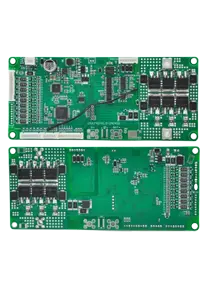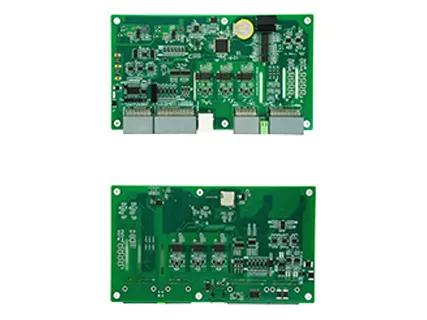
In today's dynamic energy landscape, energy storage solutions are the backbone of a sustainable future, enabling the efficient capture, storage, and delivery of electrical power to meet diverse needs. Central to these systems is the Battery Management System (BMS), a sophisticated technology that ensures batteries operate safely, efficiently, and durably. This blog delves into the multifaceted role of BMS in energy storage, highlighting its critical functions, benefits, and transformative impact on modern energy systems.
A Battery Management System (BMS) is an advanced electronic framework designed to oversee and optimize the performance of battery packs in energy storage systems. By meticulously managing essential processes—such as charging, discharging, and cell balancing—a BMS enhances battery efficiency, ensures operational safety, and extends service life. Acting as the "brain" of the battery, it ensures seamless operation across applications, from electric vehicles to renewable energy grids.
A BMS integrates several key components that work in harmony to maintain optimal battery functionality:
Cell Monitor: Continuously tracks voltage, current, and temperature across individual battery cells, preventing risks like overcharging, over-discharging, or thermal runaway.
Cell Balancer: Maintains uniform charge levels across all cells, ensuring consistent performance and preventing capacity degradation.
Controller: Orchestrates charging and discharging operations, enforcing safe operating limits to optimize performance and protect the system.
Communications Interface: Facilitates real-time data exchange with external systems, enabling remote monitoring, diagnostics, and integration with smart grids or devices.
Safety Mechanisms: Incorporates protective features to mitigate hazards like overheating, overvoltage, or short circuits, ensuring secure and reliable operation.
These components collectively form a robust system that safeguards battery health while maximizing efficiency.
A BMS is instrumental in unlocking the full potential of battery packs. By precisely regulating charging and discharging cycles, it prevents inefficiencies such as overloading or underutilization. This ensures batteries deliver consistent, high-quality power across diverse applications, from powering homes to supporting industrial operations, while maintaining peak efficiency over time.
Safety is paramount in energy storage, and BMSs like 48 volt BMS system and 12v lead acid battery BMS are equipped with advanced safeguards to mitigate risks. By continuously monitoring for anomalies like overheating, overvoltage, or short circuits, BMSs prevent hazardous incidents, such as fires or system failures. These protective measures instill confidence in users, ensuring energy storage systems operate reliably in both residential and commercial settings.
The longevity of battery packs is a critical factor in the cost-effectiveness of energy storage solutions. A BMS extends battery life by maintaining optimal charge levels, preventing overcharging or deep discharging, and ensuring balanced cell performance. This reduces wear and tear, minimizes degradation, and significantly prolongs the operational lifespan of batteries, delivering long-term value.
Modern BMSs, such as 48 volt bms system and BMS for 12v battery, are equipped with cutting-edge monitoring and data analytics capabilities. By collecting real-time data on battery health, performance, and efficiency, these systems provide actionable insights. Users can proactively identify potential issues, optimize energy usage, and make data-driven decisions to enhance system performance. This capability is particularly valuable in large-scale applications, such as grid storage or renewable energy integration.
In the realm of electric vehicles, BMSs are indispensable for managing complex battery packs that power propulsion systems. By optimizing charge cycles and monitoring battery health, BMSs enhance vehicle range, performance, and reliability. For instance, leading EV manufacturers leverage advanced BMS technology to ensure batteries deliver consistent power, improve driving range, and maintain longevity, ultimately enhancing the user experience and reducing maintenance costs.
In renewable energy systems, such as solar or wind power installations, BMSs play a critical role in managing energy storage and distribution. They enable the storage of surplus energy generated during peak production periods and its release during high-demand or low-production phases. By optimizing energy flow, BMSs ensure a stable and efficient power supply, maximizing the value of renewable energy systems and supporting grid reliability.
In large-scale energy storage systems used for grid stabilization, ESS BMS manages vast arrays of batteries to balance supply and demand. These systems ensure efficient energy distribution, prevent outages, and support the integration of renewable energy into the grid. By enhancing system reliability and efficiency, BMSs contribute to a more resilient and sustainable energy infrastructure.
As energy storage technologies evolve, the role of BMSs will become even more critical. Advances in artificial intelligence, machine learning, and IoT integration are poised to enhance BMS capabilities, enabling predictive maintenance, smarter energy management, and greater adaptability to diverse applications. These innovations will further optimize battery performance, reduce costs, and support the global transition to clean energy.
Battery Management Systems are the cornerstone of modern energy storage solutions, driving performance, safety, and longevity in battery-powered systems. From electric vehicles to renewable energy grids, BMSs enable efficient, reliable, and sustainable energy management. As the demand for clean energy grows, the importance of BMSs will continue to rise, shaping a future where energy storage is smarter, safer, and more sustainable. By understanding and leveraging the power of BMSs, we can unlock the full potential of energy storage solutions and pave the way for a greener tomorrow.