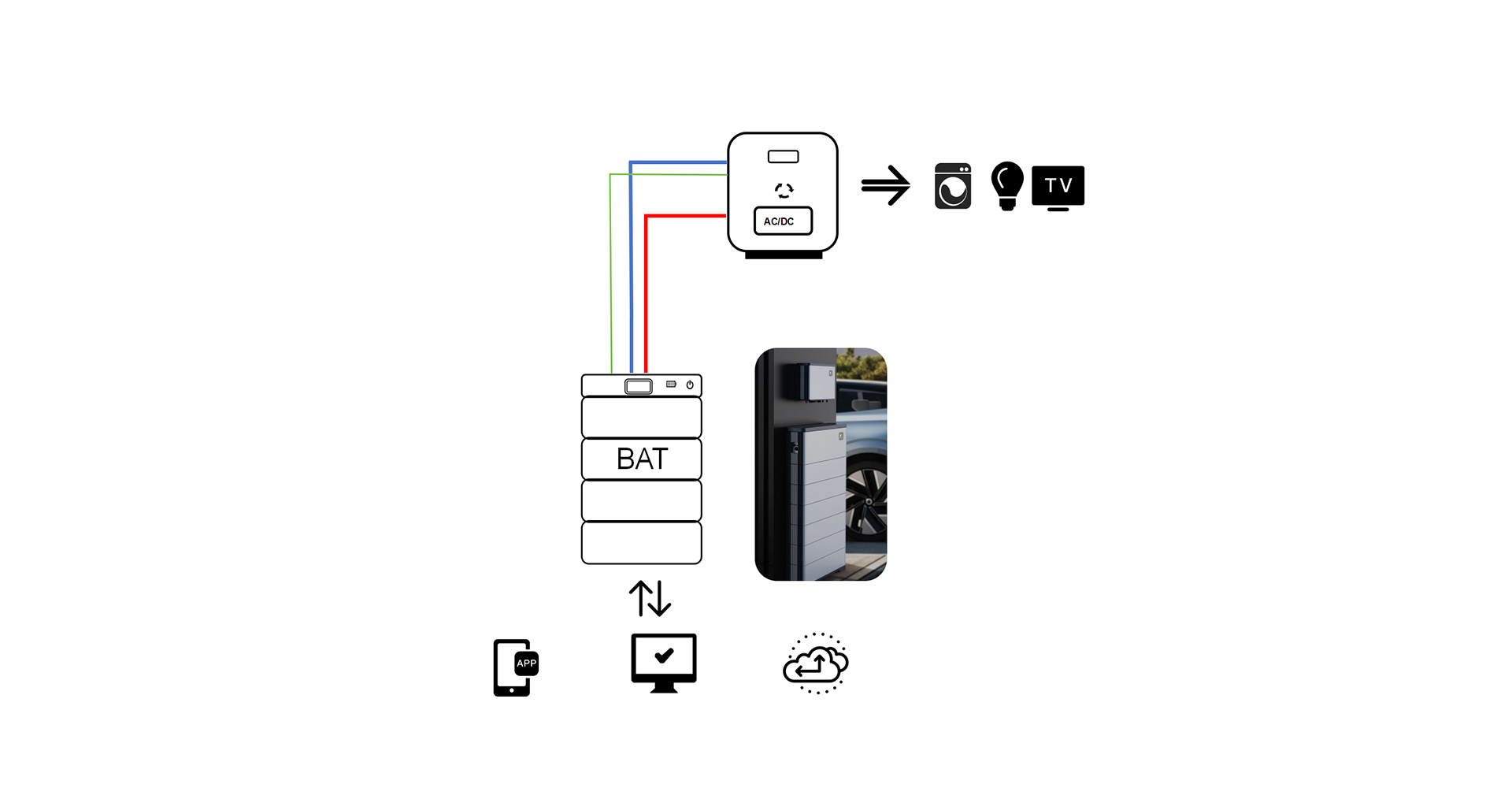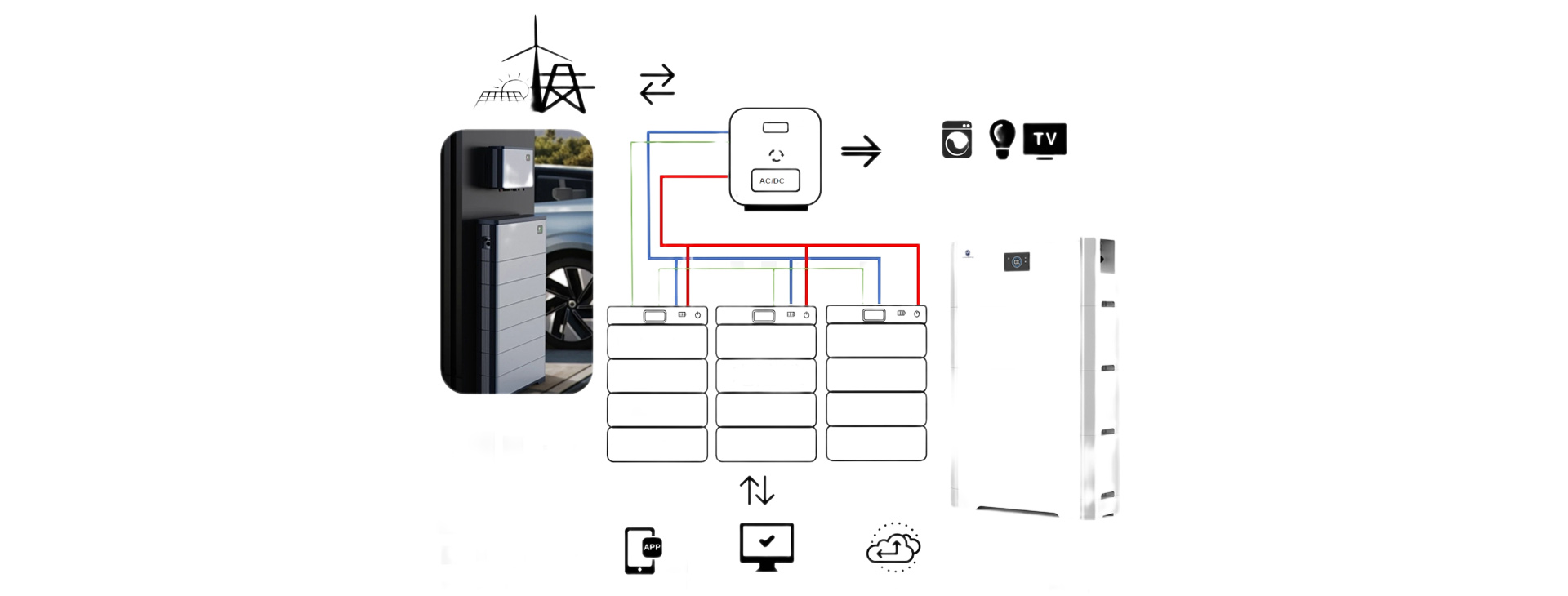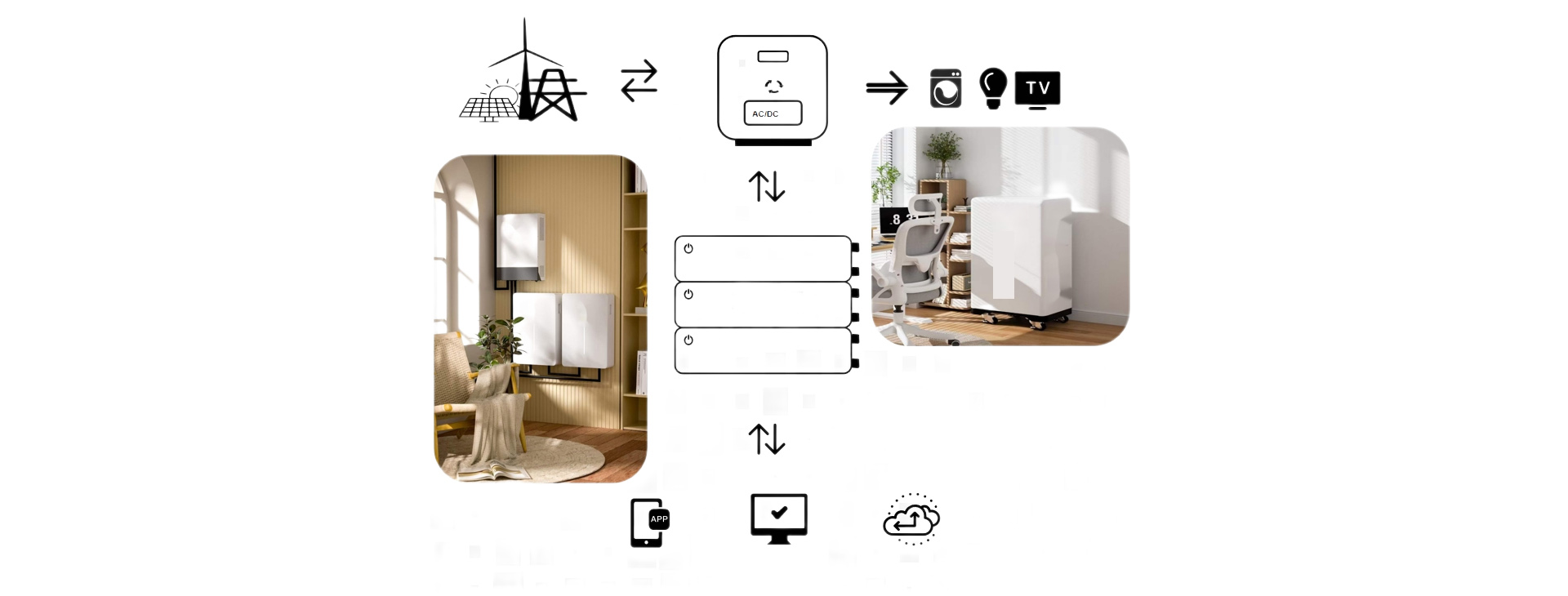
There are 2 main types of home energy storage systems: one is a low voltage energy storage system, and the other is a high voltage energy storage system.
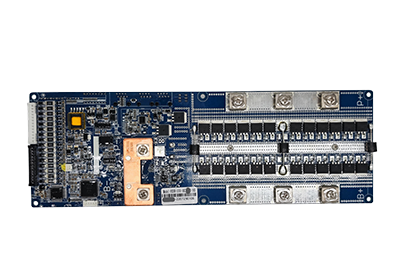
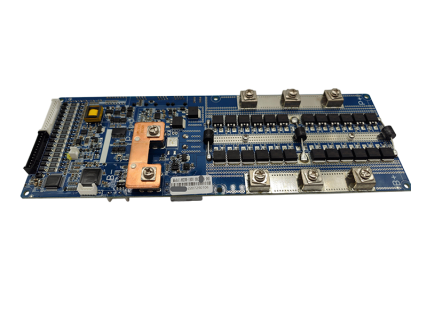
Low-voltage battery management systems are usually DC 48V systems with a single pack capacity of 50Ah~200Ah, suitable for forming small and medium-sized battery systems through parallel connection. Due to the low voltage, the current is higher when the capacity is larger, which brings about an increase in safety and cost. To solve these issues, high-pressure home storage systems have emerged.
High-voltage home storage systems are currently typically composed of multiple battery packs connected in series, with the voltage of household systems ranging from 100V to 500V. Systems exceeding 500V are typically extended for small-scale industrial and commercial storage scenarios. These systems are often referred to as high voltage ess solutions because they provide higher power density and improved transmission efficiency.
Commercial and Industrial (C&I) Energy Storage Systems are designed to store electrical energy and release it when required to optimize energy usage, reduce operating costs, and improve power reliability. These systems are commonly used in factories, office buildings, shopping centers, data centers, and other facilities with significant electricity demand.
The basic working principle of a commercial and industrial energy storage system involves four key stages:
Energy Storage
The system stores excess electricity generated by renewable energy sources such as solar PV systems or purchases electricity from the grid during off-peak periods when electricity prices are lower.
Energy Management
A Battery Management System (BMS) and Energy Management System (EMS) continuously monitor battery status, energy consumption, and grid conditions to optimize charging and discharging strategies.
Energy Discharge
During periods of peak electricity demand or high utility rates, the stored energy is discharged to support facility loads, helping reduce grid consumption and demand charges.
Backup Power Supply
In the event of a power outage, the energy storage system can provide backup power to critical equipment and essential operations, minimizing downtime and production losses.
By intelligently managing energy flow, commercial and industrial energy storage systems help businesses improve energy efficiency while increasing the utilization of renewable energy. Some systems may also incorporate an active equalizer to improve cell balancing performance and maximize battery capacity utilization.
As electricity prices continue to fluctuate and sustainability goals become increasingly important, commercial and industrial energy storage systems provide a wide range of benefits for businesses.
Reduced Electricity Costs
One of the primary advantages is peak shaving and load shifting. Businesses can charge batteries during off-peak periods and discharge stored energy during peak-rate periods, significantly reducing electricity expenses and demand charges.
Improved Energy Reliability
Energy storage systems provide reliable backup power during grid interruptions, helping businesses maintain critical operations and avoid costly downtime.
Enhanced Renewable Energy Utilization
By storing excess solar or wind energy for later use, businesses can increase self-consumption rates and reduce dependence on grid electricity.
Greater Energy Independence
Commercial and industrial users can reduce their exposure to utility price fluctuations and improve energy security through on-site energy storage.
Support for Sustainability Goals
Energy storage systems help lower carbon emissions by maximizing the use of renewable energy and reducing reliance on fossil-fuel-based electricity generation.
Scalable and Flexible Deployment
Modern commercial and industrial energy storage systems are highly modular and can be expanded as energy requirements grow, making them suitable for a wide range of applications and facility sizes. The same battery management technologies used in commercial ESS solutions are also widely applied in smaller battery products such as 12v lithium battery bms.
The combination of cost savings, operational reliability, and renewable energy integration makes commercial and industrial energy storage systems an increasingly important part of modern energy infrastructure.
The general technical characteristics of high-pressure low voltage energy storage system and high voltage energy storage system:
Architecture: Two-level architecture: control+acquisition
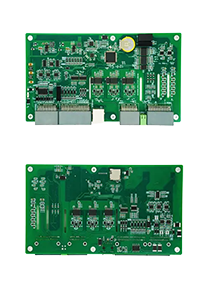
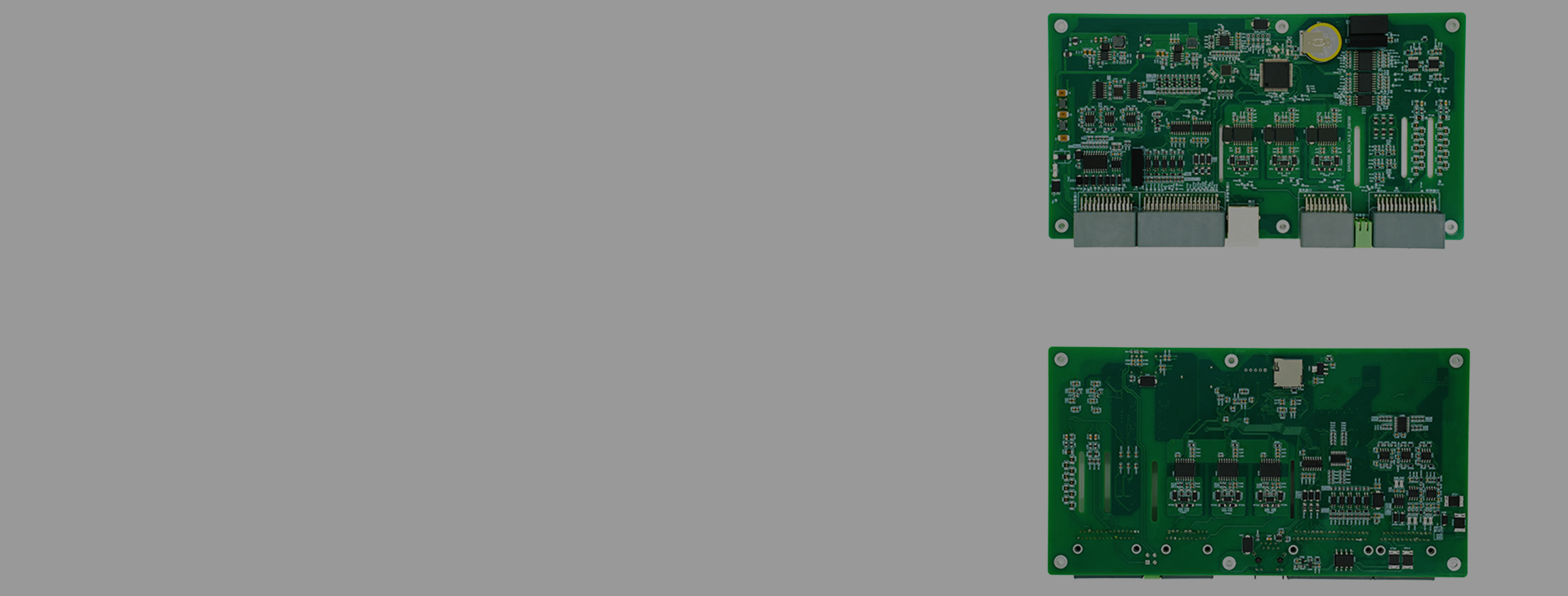
System composition: generally includes a high-voltage box, BCU control board, and BMU cell acquisition board
Function: Similar to low-voltage systems
Design: Relays are usually used as power switches