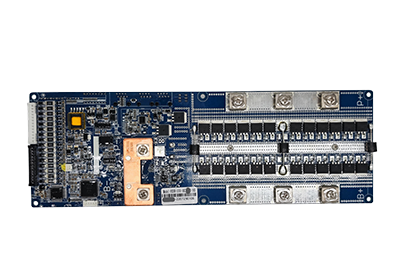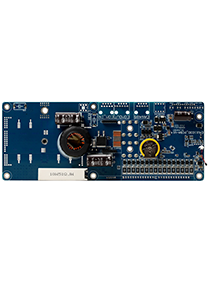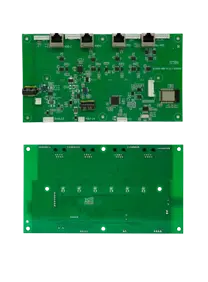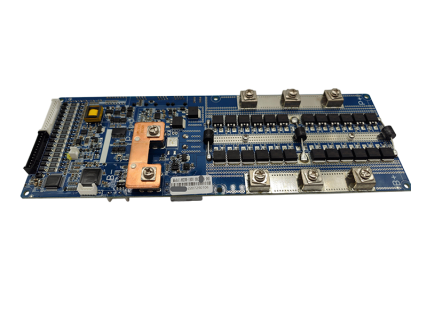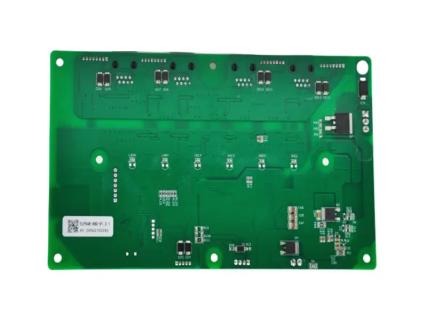
In lithium-ion battery systems, two critical components play distinct yet complementary roles: the Battery Management Unit (BMU) and the Battery Control Unit (BCU). While both are essential for the effective operation of battery systems, they have different functions and responsibilities. This blog delves into the differences between these two components to clarify their roles in ensuring battery performance and reliability.
The Battery Management Unit, or BMU, serves as a lower-level component tasked with overseeing individual battery cells and modules. Its primary role is to ensure the battery system operates efficiently and lasts longer by maintaining balance and consistency across all cells. The BMU continuously monitors cell voltage, temperature, and current to prevent issues like overcharging or discharging. It also performs cell balancing to keep all cells at the same voltage, avoiding potential hotspots and uneven discharge. Additionally, the BMU in the high voltage battery BMS communicates any detected anomalies or issues to the BCU, helping to maintain the integrity of the entire battery system.
The Battery Control Unit, or BCU, operates at a higher level, managing and controlling a group of battery modules, often referred to as a battery cluster. Acting as a central hub, the BCU gathers data from multiple BMUs to create a comprehensive picture of the battery cluster's performance. It estimates the overall State of Charge (SoC) and State of Health (SoH), providing accurate insights into the battery's remaining capacity and condition. The BCU also controls contactors to regulate the flow of electricity and implements security algorithms to ensure safe operation. Furthermore, it serves as the primary communication link between the battery system and other subsystems within a vehicle or device, ensuring seamless integration.
The BMU operates at a lower level, directly interfacing with individual battery cells. Its focus is on basic monitoring and balancing tasks to ensure each cell performs optimally, much like a local manager overseeing a small team of employees. In contrast, the BCU functions at a middle to higher level, receiving and processing data from multiple BMUs to provide a cohesive, high-level view of the battery system's performance. Similar to a regional manager, the BCU oversees several local managers (BMUs) and their respective teams, ensuring overall operational efficiency and security across the system.
To illustrate the relationship between the BMU and BCU, consider the analogy of a workplace hierarchy. The BMU acts as a local manager, responsible for supervising small teams of individual cells and ensuring they perform optimally. Meanwhile, the BCU functions as a regional manager, overseeing multiple local managers and their teams to ensure the entire system operates efficiently and securely. This hierarchical structure allows the BMU and BCU to work together, with the BMU handling detailed, cell-level tasks and the BCU managing broader system-level operations— insights that are useful when evaluating BMS wholesale offerings for performance.