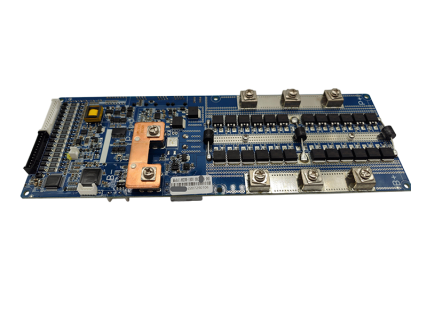
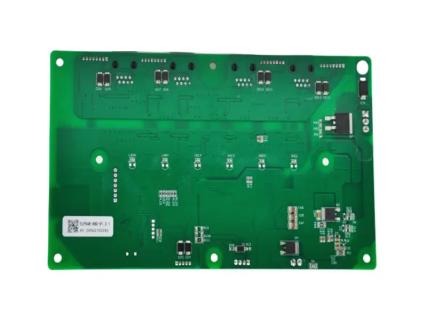
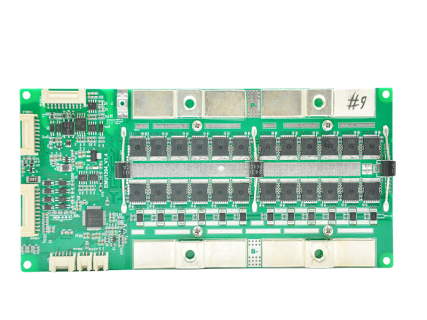
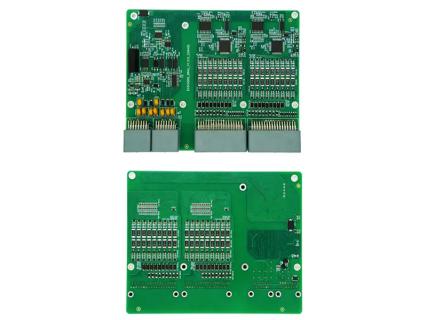
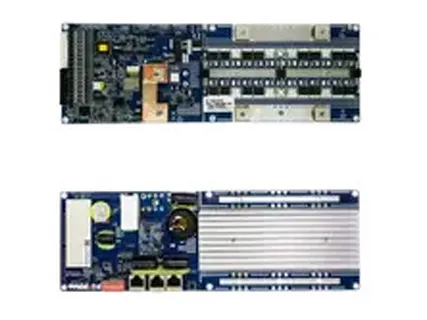
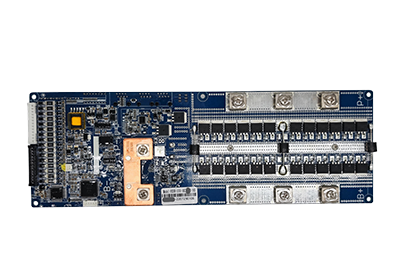
A smart BMS 48V is generally the better choice for modern energy storage systems because it provides advanced monitoring, communication, remote diagnostics, and intelligent battery management. However...
The cost of a 48V BMS is mainly determined by current rating, battery chemistry compatibility, protection functions, communication features, customization requirements, and order volume. A basic 48V B...
Choosing the right BMS for 48V battery packs requires more than matching voltage ratings. Industrial applications need a battery management system that can handle the required current, operating envir...
For a typical 12V lead-acid replacement using LiFePO4 cells, the battery normally needs a 4S LiFePO4 BMS because four 3.2V cells in series produce a 12.8V nominal pack.The BMS should not be selected b...
For commercial and industrial energy storage, a high voltage BMS should be selected around the complete battery system—not simply the nominal pack voltage. The critical parameters are the minimum and...
For most 48V-class LiFePO4 energy storage systems, the correct choice is a 16S LiFePO4 48V BMS designed for a 51.2V nominal battery pack. Beyond cell count, the BMS must support the system's real ...
For a typical 12V LiFePO4 battery pack, choose a 4S LiFePO4 BMS that matches the battery chemistry, cell configuration, maximum continuous charge/discharge current, peak load, temperature requirements...
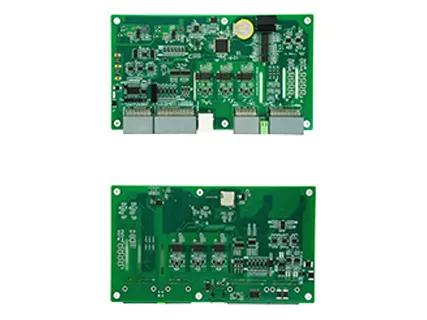
Battery management system development does not always end when the main BMS motherboard is finalized. Different battery PACK projects may require additional communication ports, status indicators, dis...
Battery equalization may take several minutes, several hours, or considerably longer. There is no universal balancing time because the result depends on how much charge must be transferred or removed,...
Selecting cable size for a battery management system is not as simple as choosing one wire gauge for every connection. A BMS uses several cable types to measure cell voltage and temperature, communica...
A battery management system depends on reliable electrical connections to collect cell data, communicate with external equipment, receive control inputs, and display battery status. These connections ...
Connecting multiple battery PACKs in parallel can increase the available capacity and support the expansion of an energy storage system without substantially changing its designed operating voltage. H...