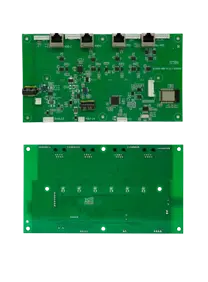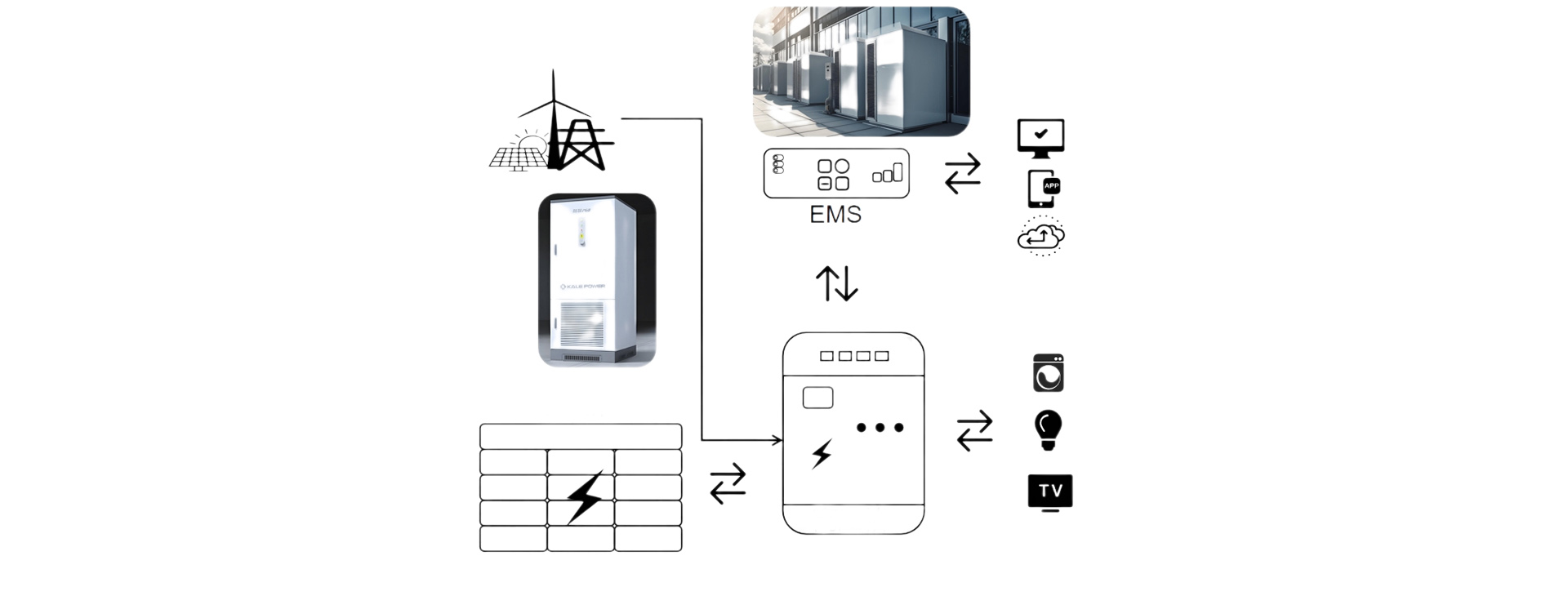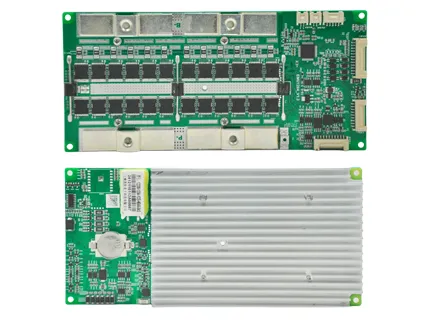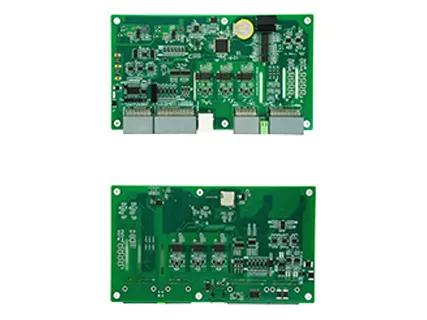

1. BMS Battery Management Systems that create the concept of white home appliances
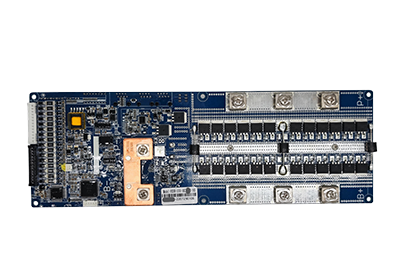
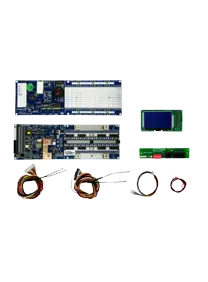
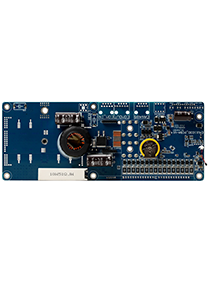
Enjie's low voltage battery management system is designed to deliver intelligent monitoring, protection, and control functions while creating a user experience similar to modern smart home appliances. The low voltage BMS helps optimize battery performance, enhance safety, and extend battery service life.
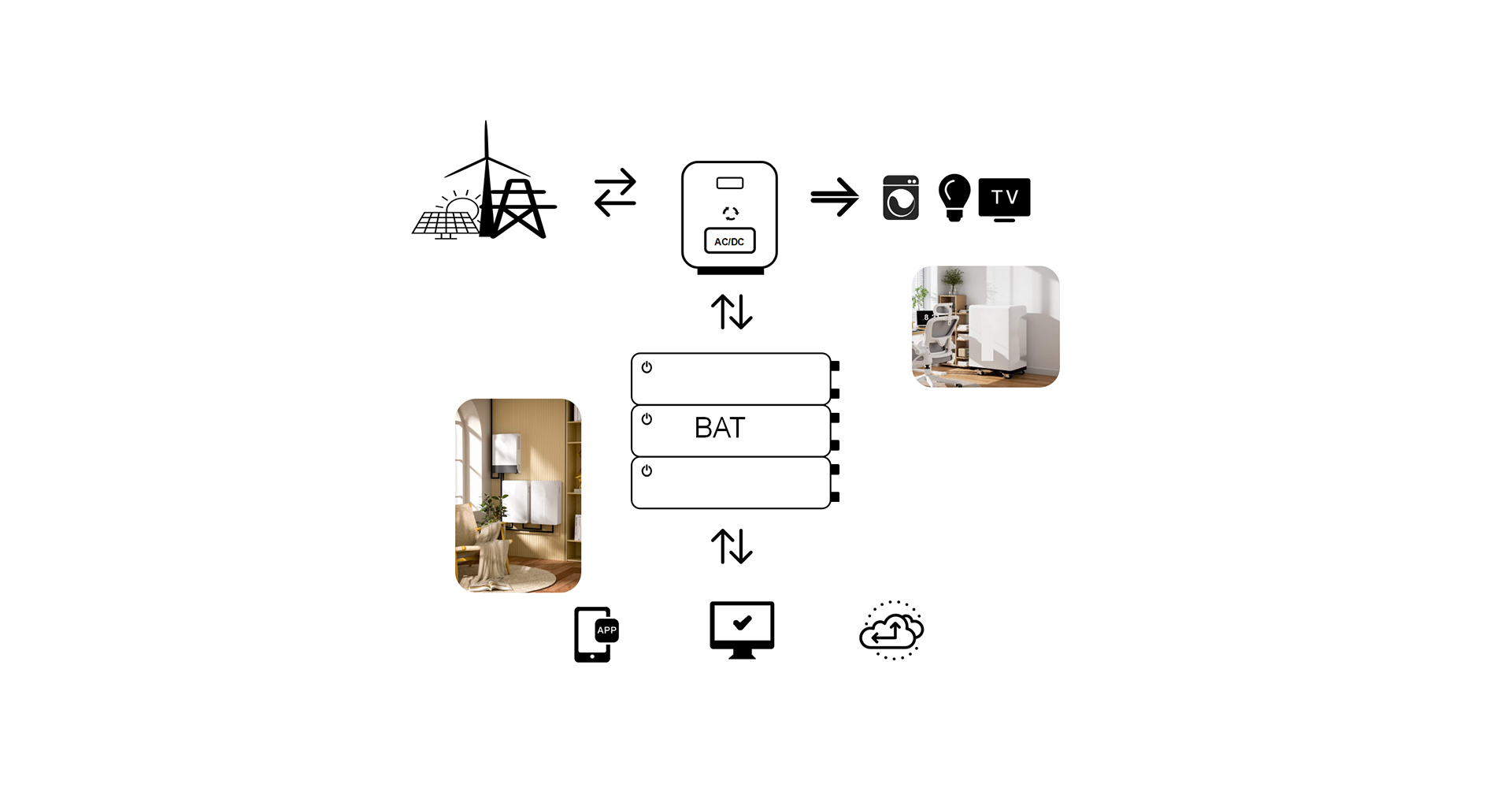
2. Innovative concealed internal connection with an inverter to form a low-voltage, large-capacity parallel energy storage system to meet user expansion needs, simple and beautiful, with certain consumer product attributes
A Low Voltage Energy Storage System (ESS) is a battery storage solution that typically operates at voltages below 60V, with 48V systems being the most common configuration for residential and small commercial applications. These systems store energy generated from solar panels or the grid and provide power when needed, helping users increase self-consumption, reduce electricity costs, and maintain backup power during outages.
Low voltage ESS solutions are widely used because of their high safety profile, compatibility with many hybrid and off-grid inverters, and flexible modular design. Most modern low voltage systems utilize LiFePO₄ (Lithium Iron Phosphate) batteries, which offer excellent thermal stability, long cycle life, and reliable performance. Similar battery protection technologies are also applied in bms battery 12v.
Low voltage energy storage systems offer several benefits that make them a popular choice for residential energy storage projects:
1. Enhanced Safety
Operating at lower voltages significantly reduces the risk of electric shock during installation, maintenance, and daily operation. This makes low voltage systems particularly suitable for residential environments.
2. Flexible Capacity Expansion
Low voltage ESS solutions are typically designed with a modular architecture, allowing users to add battery modules as energy demands increase without replacing the entire system.
3. Broad Inverter Compatibility
Many hybrid and off-grid inverters are designed to support 48V battery systems, making low voltage ESS solutions easier to integrate into both new and existing solar installations. This architecture is widely adopted in 48v lithium ion bms applications and scalable energy storage projects.
4. Simplified Installation and Maintenance
Compared with high voltage systems, low voltage ESS installations generally require less complex wiring and commissioning procedures, helping reduce installation time and maintenance costs.
5. Reliable Backup Power
Low voltage systems provide dependable backup energy during grid outages and can effectively support essential household loads such as lighting, communication equipment, and home appliances.
Both low voltage and high voltage energy storage systems serve the same purpose—storing and supplying energy—but they differ in operating voltage, efficiency, installation requirements, and application scenarios.
| Feature | Low Voltage ESS | High Voltage ESS |
|---|---|---|
| Typical Voltage Range | 48V–60V | 150V–600V+ |
| Safety | Higher safety due to lower voltage | Requires stricter safety measures |
| Installation Complexity | Easier installation and maintenance | More complex installation |
| Inverter Compatibility | Compatible with many hybrid and off-grid inverters | Requires compatible high-voltage inverters |
| Scalability | Suitable for small to medium systems | Better suited for larger energy storage capacities |
| Energy Efficiency | Slightly lower due to higher current flow | Higher efficiency with lower current transmission |
| Typical Applications | Residential backup, off-grid cabins, small solar systems | Large homes, commercial buildings, and high-energy-demand applications |
For most residential users seeking a safe, reliable, and expandable energy storage solution, low voltage systems provide an excellent balance of performance, flexibility, and cost-effectiveness. High voltage systems are generally preferred for larger installations that require higher power output and maximum system efficiency.
1. Positive pole topology solution:
(1) Monitor bus voltage
(2) External power supply for heating logic
(3) MOS tube current limiting synchronous fast rectification
(4) Strong anti-interference ability
(5) Good ergonomic design, simple and easy to understand
2. Single package independent control, multi-cluster expansion
3. Master-slave management: single package independent control logic
4. Automatic dialing
5. Upper computer management, mobile phone APP, cloud service
6. RS485/CAN communication compatible
7. One-button power on and off of the entire system
8. High-definition touch summary display
9. IP65 level solution