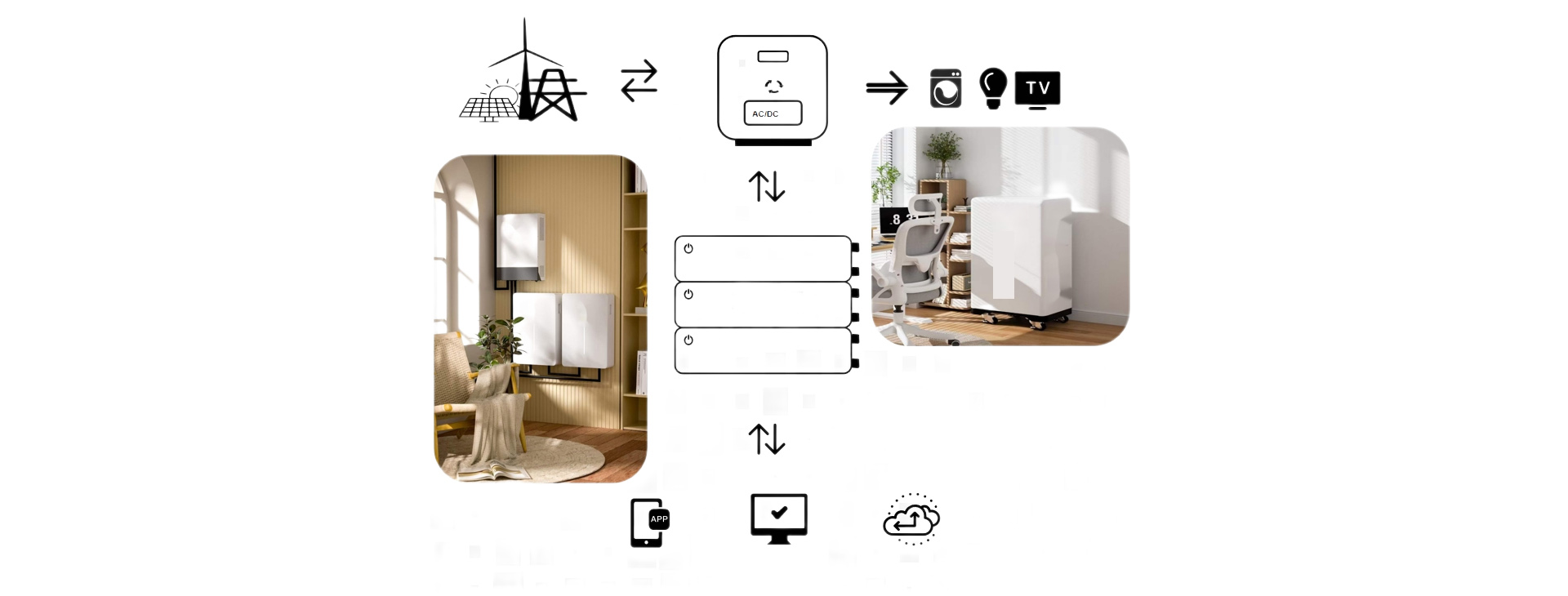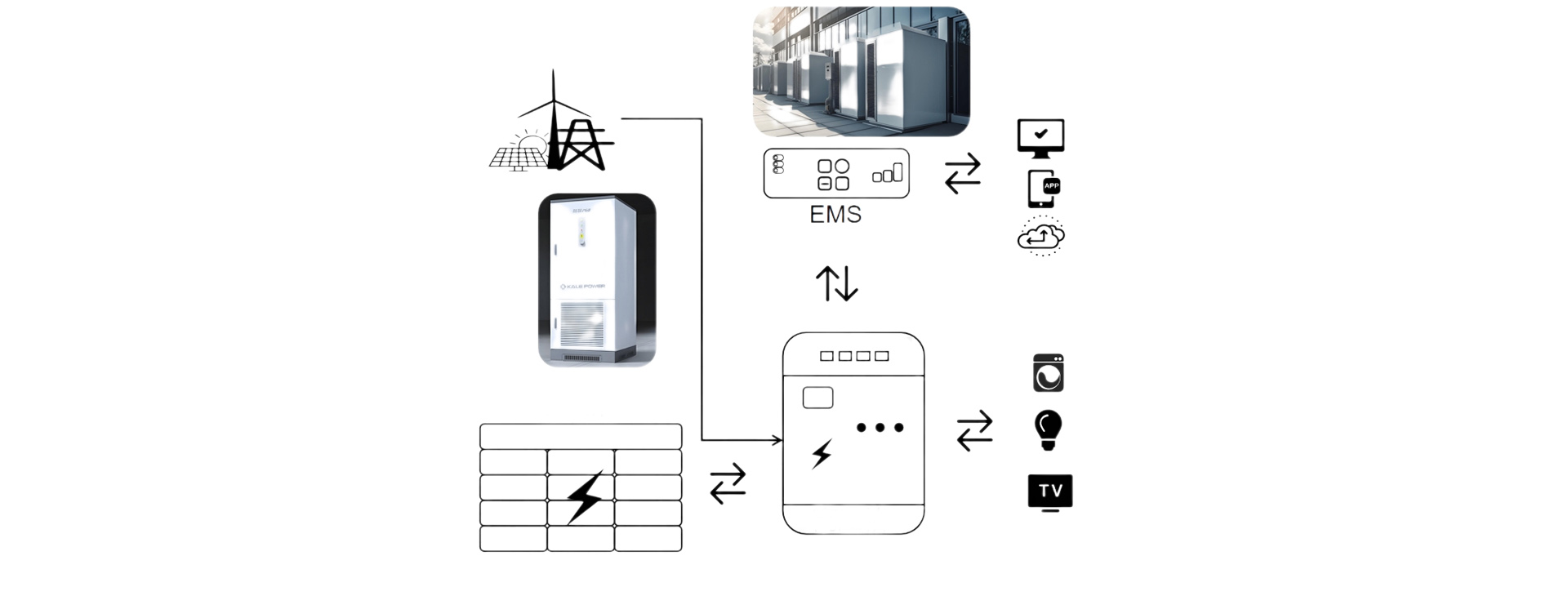
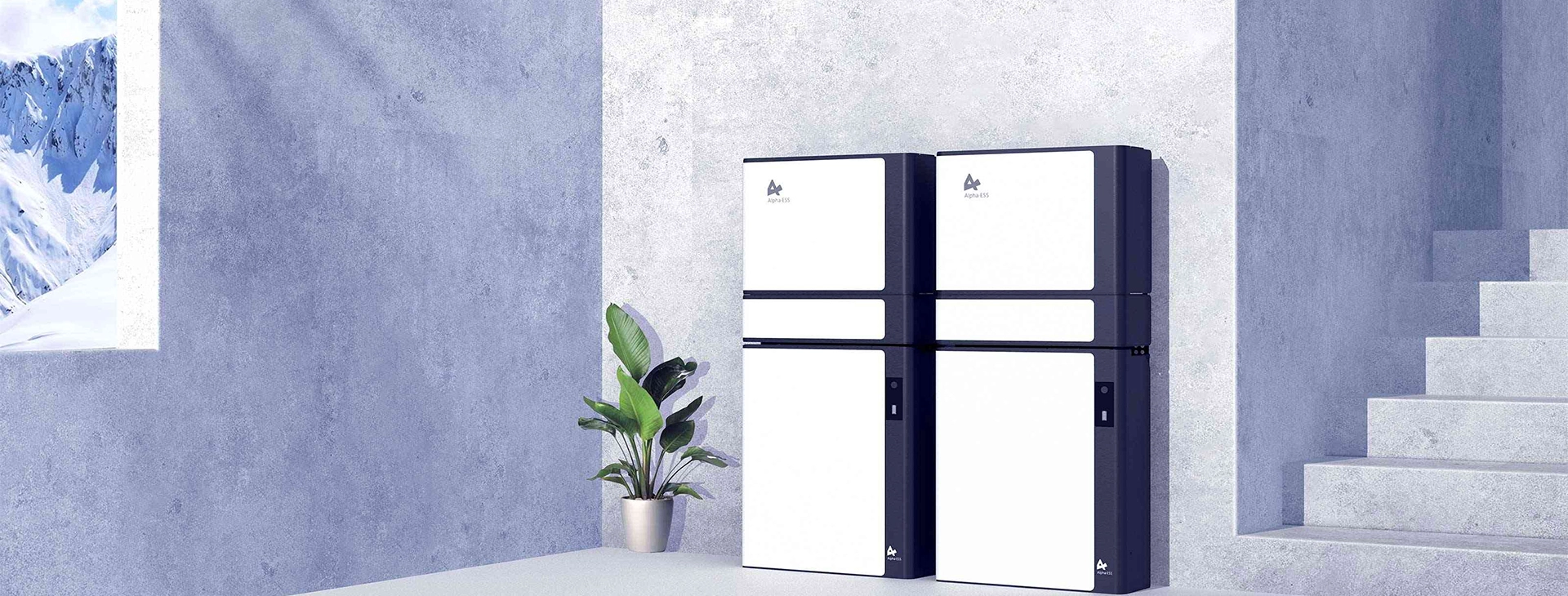
Stacked battery systems are designed for high-capacity ESS applications. There are 3 differences from traditional rack-mounted parallel battery systems:
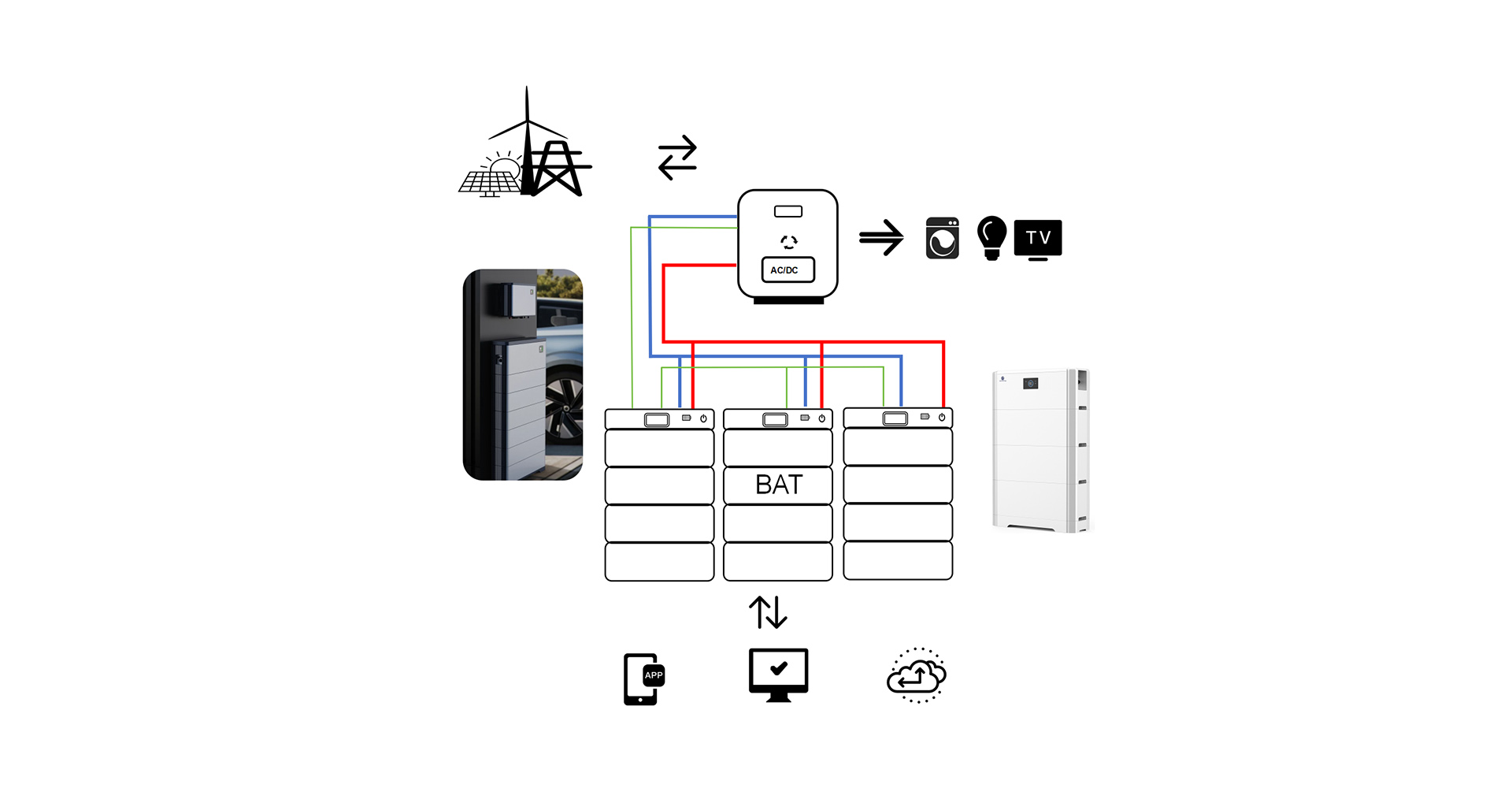
All components are connected in a modular manner, allowing users to increase or decrease the number of battery modules as needed.
No external connection cables, the overall appearance of the machine is simple and beautiful.
Adopting a unified external summary board to avoid system downtime when the traditional master battery pack runs out of power
Form: Different from traditional industrial style battery packs, the stacked battery system has a battery pack and control box with the same appearance, both of which are long and low modules to reduce the overall height and facilitate operation during stacking. Its color is often similar to that of household appliances. The actual installation location and user experience are also closer to household appliances.
Structure: The modular design simplifies the connection cables between battery packs, integrating all interfaces and signals into the connectors. When the battery packs are docked, the signal connection is automatically completed, which is fast and simple.
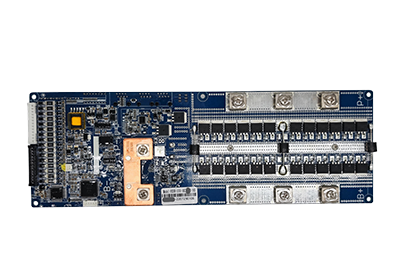
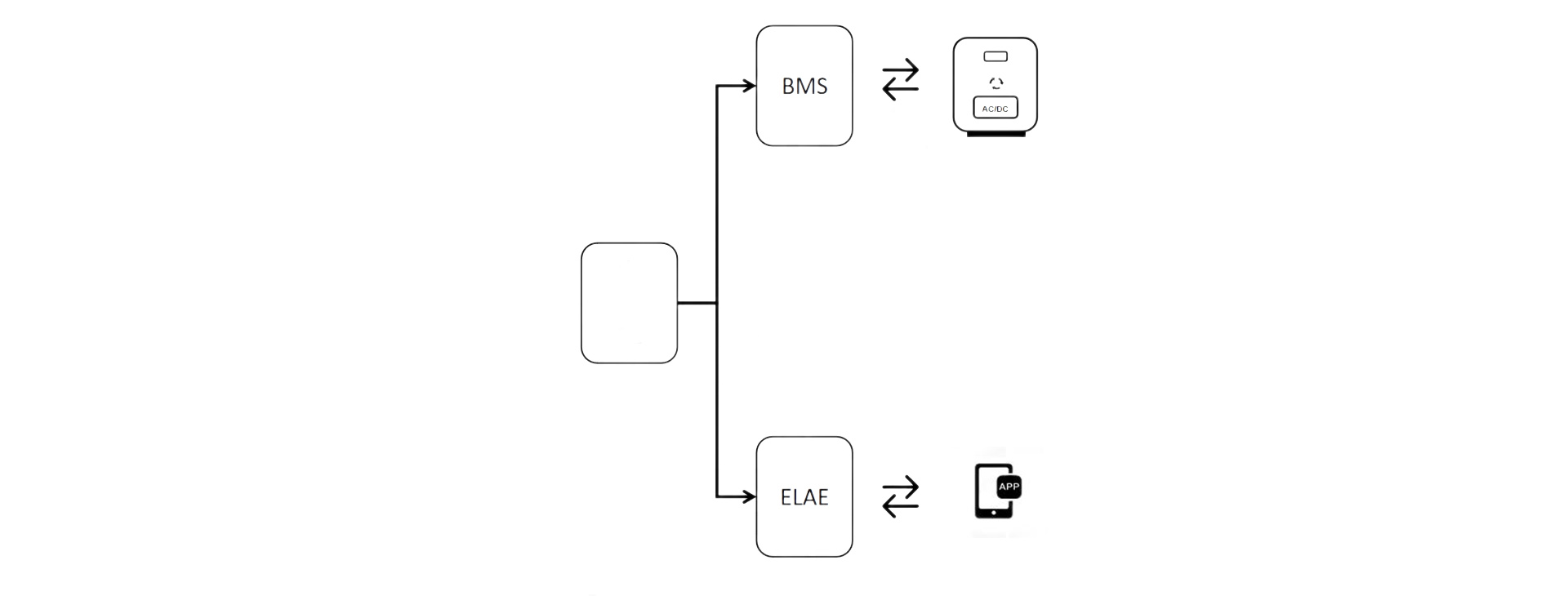
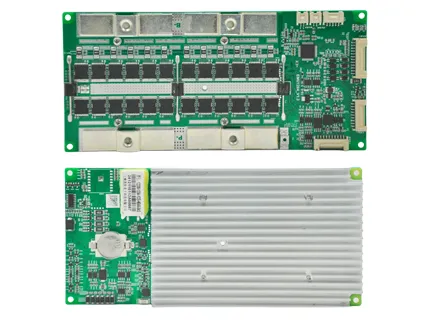
System stability: The stacked system host serves as a summary module, and any battery pack failure will not affect the system's operation, greatly improving system stability. The integrated low voltage bms continuously monitors battery status and helps maintain stable system performance during daily operation.
Scalability: Strong scalability and extremely low requirements for operators. When expanding, only the battery module to be expanded needs to be plugged in. This modular architecture is commonly used in 48 volt battery management system.
As residential and commercial energy storage applications continue to grow, users are increasingly comparing modern low-voltage stacked energy storage systems with traditional lead-acid battery solutions. While both technologies can provide backup power and energy storage, stacked lithium battery systems offer several advantages in terms of lifespan, efficiency, safety, and scalability.
1. Longer Service Life
Most low-voltage stacked energy storage systems use LiFePO₄ (Lithium Iron Phosphate) batteries, which typically provide significantly more charge and discharge cycles than traditional lead-acid batteries. This longer cycle life helps reduce replacement frequency and lowers the total cost of ownership over time. The same battery management technologies are also widely used in 12v lithium battery bms products.
2. Higher Energy Efficiency
Lithium battery systems generally achieve higher charge and discharge efficiency than lead-acid batteries. More stored energy can be utilized effectively, improving overall system performance and reducing energy losses during operation.
3. Enhanced Safety and Intelligent Management
Modern stacked energy storage systems integrate a Battery Management System (BMS) that continuously monitors voltage, current, temperature, and battery status. Compared with traditional lead-acid batteries, this intelligent protection mechanism helps improve operational safety and system reliability.
4. Flexible Modular Expansion
Traditional lead-acid battery banks often require complex wiring and fixed system configurations. In contrast, low-voltage stacked energy storage systems feature a modular design that allows users to expand capacity simply by adding battery modules as energy demands increase.
5. Easier Installation and Maintenance
The plug-and-play architecture of stacked battery systems minimizes installation complexity and reduces the number of external cables required. Lead-acid battery systems are typically heavier and may require more maintenance throughout their service life.
6. Better Space Utilization
Stacked battery systems are designed with a compact vertical structure that helps save floor space while maintaining high energy capacity. Traditional lead-acid battery banks generally require larger installation areas to achieve similar storage capacity.
Comparison Overview
| Feature | Low-Voltage Stacked ESS | Traditional Lead-Acid Batteries |
|---|---|---|
| Battery Chemistry | LiFePO₄ | Lead-Acid |
| Cycle Life | Long | Relatively Short |
| Energy Efficiency | High | Lower |
| Maintenance Requirements | Low | Higher |
| Modular Expansion | Easy | Limited |
| Installation Complexity | Simple | More Complex |
| Space Utilization | Compact | Larger Footprint |
| Intelligent Monitoring | Integrated BMS | Limited |
By combining advanced lithium battery technology, intelligent battery management, and modular stackable architecture, low-voltage stacked energy storage systems provide a more flexible and future-ready solution for residential and commercial energy storage applications.
The stacked battery system is a new direction of high-capacity, low-voltage (48V) battery system developed in the past two years. Due to its obvious characteristics and advantages, it is currently being loved by more and more users.
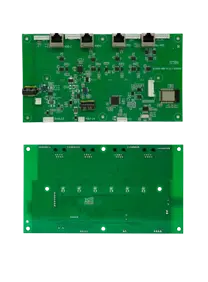 ELPS48