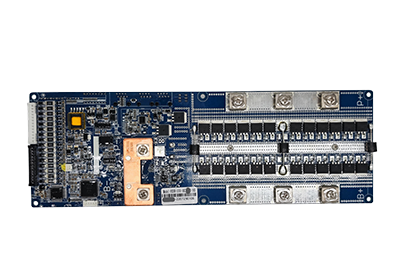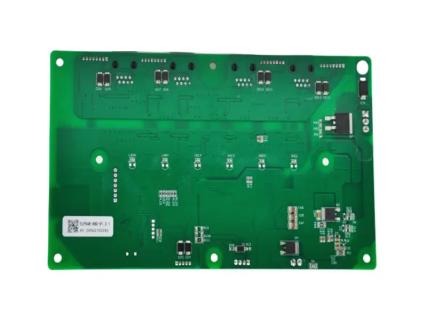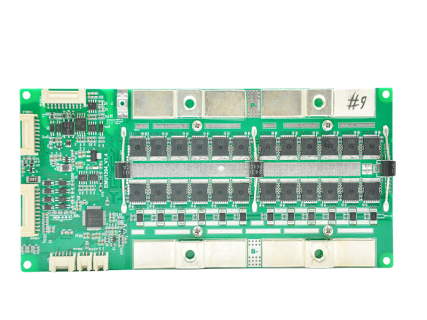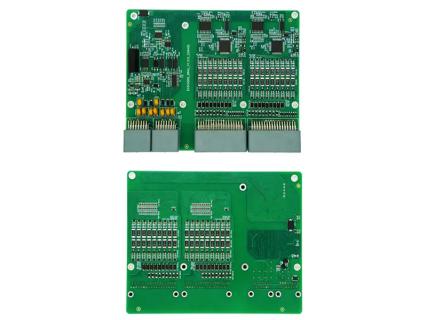
The cost of a 48V BMS is mainly determined by current rating, battery chemistry compatibility, protection functions, communication features, customization requirements, and order volume. A basic 48V BMS for standard battery packs may cost significantly less than a customized industrial-grade solution with CAN communication, active balancing, and high-current protection.
For OEM battery manufacturers and energy storage system (ESS) developers, the 48V BMS price is not simply a hardware cost. It reflects the complexity of battery management technology, reliability requirements, production standards, and long-term system integration support.
The 48 volt BMS price varies widely depending on specifications and application requirements.
Typical pricing factors include:
| BMS Type | Main Features | Cost Level |
|---|---|---|
| Basic 48V BMS | Standard protection, lower current, limited functions | Lower cost |
| Industrial 48V BMS | Higher current capacity, multiple protections, communication support | Medium cost |
| Smart BMS 48V | CAN/RS485 communication, monitoring, advanced control functions | Higher cost |
| Customized OEM BMS | Customized hardware, firmware, structure, and testing | Project-based pricing |
For industrial applications, focusing only on the initial purchase price can lead to higher costs later. A properly selected 48V BMS improves battery safety, reduces failures, and extends the service life of the complete battery system.
Current capacity is one of the biggest factors influencing 48V BMS price.
A BMS designed for a small energy storage battery does not require the same components as one used for industrial vehicles or high-power equipment.
Higher current BMS designs require:
Higher-rated MOSFETs
Larger PCB design
Better thermal management
Stronger protection components
More rigorous reliability testing
For example, a 50A BMS and a 200A BMS may both support 48V batteries, but the hardware requirements and manufacturing costs are significantly different.
When selecting a 48V BMS, OEM customers should consider both continuous current and peak discharge current requirements.
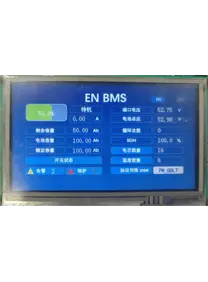
A smart BMS 48v includes additional monitoring, communication, and control functions compared with a standard protection board.
Typical smart BMS features include:
CAN communication
RS485 communication
Bluetooth monitoring
Real-time voltage and current data
SOC (State of Charge) calculation
SOH (State of Health) estimation
Fault history recording
Remote diagnostics
These intelligent functions require additional hardware, firmware development, and testing.
For ESS and industrial battery applications, a smart BMS 48V can significantly improve system management efficiency because operators can monitor battery status and identify potential issues before failures occur.
Yes. The battery chemistry determines the BMS voltage management requirements and protection parameters.
Common 48V battery systems include:
LiFePO4 batteries
Lithium NMC batteries
Other lithium-based chemistries
Different chemistries require different:
Cell voltage ranges
Charging protection limits
Discharging protection settings
Balancing strategies
Temperature management methods
A BMS designed specifically for LiFePO4 batteries may not be suitable for other lithium chemistries without firmware adjustments.
Customization is a major cost factor in OEM projects.
A standard BMS product can usually be produced at a lower cost because development expenses are distributed across many customers. However, OEM and ESS projects often require customized solutions.
Common customization requirements include:
Special current ratings
Different connector designs
Compact PCB dimensions
Waterproof enclosure designs
Additional sensors
Customized charging and discharging parameters
Communication protocols
CAN communication profiles
Customer-specific monitoring platforms
Compatibility with inverter systems
Communication with vehicle controllers
Integration with energy management systems
The more customized the requirements, the greater the engineering investment, which directly affects the final 48 volt BMS price.
Industrial applications require higher reliability than consumer battery products.
A professional industrial 48V BMS usually includes:
More accurate voltage measurement
Higher-quality electronic components
Better thermal performance
Enhanced protection algorithms
Long-term durability testing
Stronger environmental resistance
Applications such as AGVs, telecom backup systems, solar ESS, and industrial equipment often operate continuously. A low-cost BMS may reduce initial investment but increase maintenance risks and downtime.
OEM volume directly influences unit cost.
Large production orders usually benefit from:
Lower component purchasing costs
Optimized production processes
Reduced engineering allocation per unit
Better manufacturing efficiency
For small prototype projects, costs may include:
Engineering setup fees
Sample production costs
Firmware customization
Testing expenses
Companies planning long-term battery production should evaluate both current project needs and future production volume when selecting a BMS supplier.
Price should not be the only purchasing factor. A reliable OEM supplier should provide:
Confirm:
Battery voltage configuration
Maximum charging current
Maximum discharge current
Communication requirements
Evaluate:
Component quality
Testing procedures
Protection accuracy
Field application experience
A capable 48V BMS manufacturer should support:
Custom firmware development
Hardware modification
Engineering cooperation
Mass production support
Choosing the right supplier helps OEM customers avoid redesign costs and project delays.
Reducing cost does not always mean choosing the cheapest BMS.
Effective cost optimization strategies include:
Avoid unnecessary features that increase cost but do not improve application performance.
Forecasting future demand can help optimize component selection and manufacturing costs.
An experienced supplier can recommend suitable solutions based on:
Battery design
Application requirements
Safety standards
Production goals
This approach helps achieve the best balance between performance and 48V BMS price.
The 48V BMS price depends on far more than voltage compatibility. Current capability, smart monitoring functions, communication requirements, customization level, battery chemistry, and production volume all influence the final cost.
For OEM battery manufacturers and ESS developers, selecting a suitable 48V BMS requires evaluating total system value rather than only the initial purchase price. A reliable BMS solution improves battery safety, reduces maintenance costs, and supports long-term product performance.
Working with an experienced BMS supplier enables companies to achieve the right balance between cost, functionality, and reliability for their specific applications.
Because BMS cost depends on current rating, features, communication functions, customization, and production volume.
For ESS and industrial applications, yes. Smart features improve monitoring, control, and system reliability.
Industrial BMS products usually provide higher current capacity, stronger protection, better communication, and improved durability.
Generally yes. Higher current designs require stronger components and more advanced thermal management.
Yes. OEM projects can customize hardware, firmware, communication protocols, and mechanical designs.
Provide battery specifications, current requirements, communication needs, and project quantity to receive a suitable quotation.