Lithium batteries power everything from smartphones to electric vehicles and home solar systems, serving as the backbone of modern energy solutions. Their performance, safety, and longevity depend on a critical component: the Battery Management System (BMS). This technology acts as the silent guardian, ensuring batteries operate efficiently and securely. This guide explores how BMS applications vary across lithium-ion (Li-ion), lithium iron phosphate (LiFePO4), and nickel manganese cobalt (NMC) batteries, shedding light on their unique requirements and practical applications. Whether you're a technology enthusiast or an industry professional, understanding the role of BMS reveals how it maximizes the potential of these energy powerhouses.
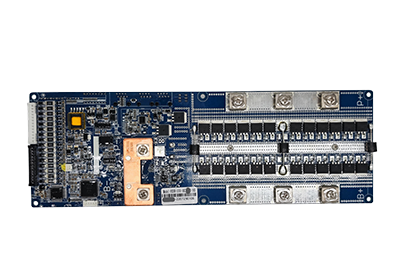
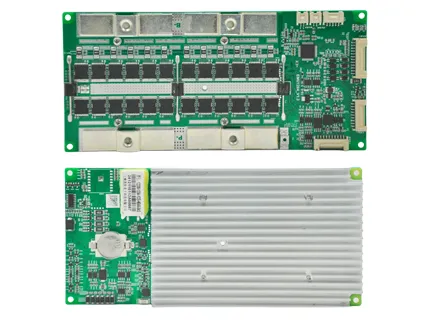
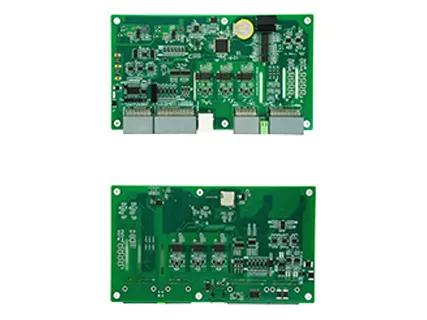
A Battery Management System (BMS) serves as the intelligent core of a lithium battery pack, overseeing its operations to ensure optimal performance. This electronic system continuously monitors essential parameters such as voltage, current, temperature, and state of charge (SOC). Beyond monitoring, it safeguards the battery against hazards, balances cells to maintain uniformity, and manages thermal conditions to prevent overheating. Through these functions, the BMS ensures the battery operates safely, efficiently, and maintains a prolonged lifespan.
The absence of a BMS leaves lithium batteries vulnerable to risks like overcharging, overheating, or uneven cell wear, which can diminish efficiency or lead to catastrophic failures. By providing real-time data and enforcing safe operating boundaries, the BMS enhances battery reliability and extends its lifespan. This makes it an essential component in applications ranging from consumer electronics like smartphones to electric vehicles (EVs) and renewable energy storage systems, where consistent performance and safety are paramount.
Lithium batteries come in various chemistries, each designed for specific applications with distinct strengths. Li-ion batteries, known for their high energy density and versatility, are widely used in smartphones, laptops, and EVs. LiFePO4 batteries stand out for their safety, thermal stability, and extended cycle life, making them ideal for solar energy storage and medical devices. NMC batteries, with their high energy density and power output, are tailored for fast-charging EVs and large-scale grid storage. The BMS must adapt to the unique characteristics of each chemistry to optimize performance and ensure operational efficiency.
Li-ion batteries demand precise BMS oversight due to their sensitivity to overcharging and thermal stress. The BMS design incorporates robust cell balancing to maintain uniform charge levels across cells, preventing capacity degradation. Advanced thermal management systems are also critical to dissipate heat generated during operation. Additionally, communication protocols like the Controller Area Network (CAN) enable seamless integration with devices or vehicles, ensuring the BMS can relay critical data effectively.
The BMS for Li-ion batteries, such as 48v lithium ion BMS, focuses on several key functions to ensure optimal performance. It accurately estimates the state of charge (SOC) to track remaining energy, informing users and preventing over-discharge. State of health (SOH) monitoring assesses battery degradation over time, enabling predictive maintenance to extend lifespan. Safety measures are also paramount, protecting against over-voltage, over-current, and extreme temperatures to prevent damage and ensure reliable operation.
In smartphones, the BMS ensures safe charging and prevents overheating during intensive tasks like gaming or video streaming. In electric vehicles, such as those produced by Tesla, the HV BMS optimizes battery range and longevity by balancing cells and managing thermal loads during rapid charging or high-speed driving. These applications highlight the BMS's critical role in delivering reliable and efficient power in dynamic, real-world scenarios.
LiFePO4 batteries are inherently safer due to their thermal stability, but their BMS is designed to enhance this advantage. The system prioritizes precise voltage monitoring to prevent overcharging, which could compromise the battery's longevity. Passive balancing is employed to maintain cell uniformity, accommodating the flat voltage curve characteristic of LiFePO4 batteries. This tailored design ensures consistent performance and maximizes the battery's natural strengths.
The BMS for LiFePO4 batteries focuses on preserving the battery's long cycle life, often exceeding 2,000 cycles. Safety protocols prevent deep discharge, which could reduce capacity over time. The system also optimizes longevity by balancing cells to ensure consistent performance across years of use. Temperature monitoring leverages LiFePO4's natural heat resistance, maintaining operation within safe thermal ranges to support reliable performance in demanding applications.
In medical devices, such as portable oxygen concentrators, the BMS ensures dependable power delivery for life-critical applications, where reliability is non-negotiable, as emphasized by experienced BMS suppliers. In stationary solar storage systems, like those developed by Enphase, the BMS supports long-term energy reliability for off-grid homes, enabling consistent power availability even in remote settings. These examples underscore the BMS's role in enhancing the durability and safety of LiFePO4 batteries.
NMC batteries, used in high-performance applications, require BMS designs that prioritize advanced thermal management to handle the high power output and fast charging demands. Over-voltage protection is critical to prevent cell swelling, which can degrade performance. High-speed communication protocols, such as CAN or Modbus, facilitate real-time data exchange in dynamic environments like EVs, ensuring the BMS can respond swiftly to changing conditions.
The BMS for NMC batteries emphasizes advanced thermal management, often employing active cooling systems like liquid cooling to prevent overheating during rapid charging. High-accuracy SOC estimation ensures precise range predictions for EVs and power tools, enhancing user experience. Over-voltage protection mitigates the risks of degradation in high-energy-density cells, preserving battery performance and safety in demanding applications.
In high-performance EVs like the Rivian R1T, the BMS optimizes fast charging and power delivery, enabling robust performance for off-road adventures. In grid-scale storage systems, such as those developed by Fluence, the BMS ensures efficient energy dispatch to stabilize renewable energy grids, supporting the integration of sustainable energy sources. These applications highlight the BMS's ability to meet the rigorous demands of NMC batteries in high-stakes environments.
While all BMS systems monitor state of charge (SOC) and state of health (SOH), their focus varies across battery types. For Li-ion batteries, the BMS emphasizes versatility to support diverse applications, from consumer electronics to EVs. LiFePO4 BMS prioritizes longevity and safety, leveraging the battery's thermal stability to ensure extended cycle life. NMC BMS focuses on performance under high loads, with advanced thermal management and fast-charging support. Despite these differences, all BMS systems share a commitment to robust safety protocols and cell balancing to ensure reliability and efficiency across applications.