When selecting a battery system for energy storage, whether for residential, commercial, or industrial purposes, the voltage configuration significantly impacts efficiency, cost, and safety. A common question among those exploring energy storage options is whether high voltage or low voltage batteries are better suited for their needs. The answer hinges on factors such as power requirements, installation environment, and budget constraints. This article explores the fundamental differences between high voltage and low voltage batteries, offering a technical comparison to guide you in choosing the best option for your specific storage needs.
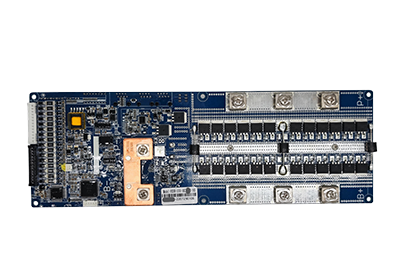
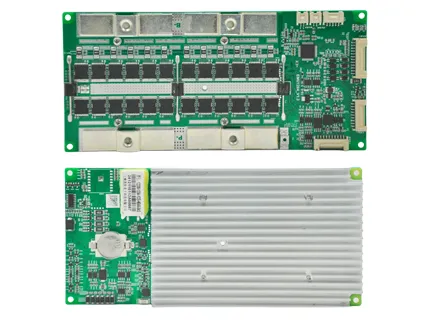
Low voltage batteries typically operate within a range of 48V with 48 volt BMS system to 120V being the most common for lithium-ion systems. In contrast, high voltage batteries function between 150V and 600V, with some large-scale systems exceeding 1000V. The voltage level influences critical aspects such as charge and discharge efficiency, cable sizing, and compatibility with inverters. Selecting between high voltage and low voltage batteries requires a clear understanding of their structural and electrical distinctions to align with your storage goals.
High voltage batteries offer a key advantage in conversion efficiency. Since power is the product of voltage and current, higher voltage systems deliver equivalent power with lower current, reducing resistive losses and boosting round-trip efficiency. Typically, low voltage systems achieve efficiencies of 90–93%, while high voltage systems can reach 94–97%. For users prioritizing minimal energy loss, such as those relying on off-grid solar systems or small businesses with high energy throughput, high voltage batteries often provide superior long-term savings due to their enhanced efficiency.
The lower current in high voltage batteries allows for thinner cables and fewer components, which can simplify installation and reduce costs. However, the increased risk of electric shock necessitates qualified technicians and additional safety equipment, which may raise compliance expenses. Conversely, low voltage batteries, particularly 48V systems, are widely compatible, easier to integrate, and safer for DIY installations. For residential users valuing simplicity and safety, low voltage batteries are often the more practical choice due to their ease of setup and lower risk profile.
For residential users with moderate energy demands, such as daily consumption below 10 kWh, low voltage batteries, particularly 48V systems, are recommended. These systems are safer to install, widely supported by residential hybrid inverters, and sufficient for typical household needs. In contrast, commercial and industrial users with larger storage requirements, such as capacities exceeding 30 kWh or continuous discharge rates above 10 kW, benefit from high voltage batteries. These systems support higher charge and discharge rates and minimize operational losses over time. Additionally, high voltage batteries are ideal for electric vehicle charging integration, as they align with the high-voltage DC fast-charging profiles of EVs, reducing the need for multiple power conversion steps.
Low voltage batteries are inherently safer, with a lower risk of electrical arcing or shock. However, their higher current requirements result in larger, bulkier systems that demand more ventilation and thermal management, potentially limiting installation locations. These systems also face fewer regulatory constraints, making them more flexible for various settings. High voltage batteries, while more efficient, require stringent safety measures, including robust insulation, circuit breakers, and emergency shutdown systems, and must comply with regional standards. Only certified professionals should handle their installation, which may increase costs and complexity, particularly in regions with strict building codes favoring high voltage systems for smart grids and solar storage.
Both high and low voltage battery systems commonly utilize lithium-ion chemistry, but their configurations differ significantly. Low voltage systems often rely on parallel connections, typically in modular units of 2–5 kWh stacked together, which increases system flexibility but may add complexity. High voltage systems, on the other hand, use serial configurations, with single-unit capacities ranging from 7 kWh to 15 kWh. For instance, a 10 kWh low voltage battery might require 20 cells in parallel, whereas HV battery systems could use 60 or more cells in series, reducing complexity and enhancing energy density for more compact designs.
Choosing between high voltage and low voltage batteries depends on several key considerations: your total daily energy usage, the intended application (residential, commercial, or hybrid), the need for smart energy integration such as EV charging or vehicle-to-grid systems, available installation space, and your budget for equipment and professional installation. High voltage batteries are the smarter choice for those seeking compact, scalable systems with maximum energy efficiency, provided they can accommodate the higher upfront costs and installation complexity. For those prioritizing safety, simplicity, and flexibility, particularly in residential settings, low voltage batteries such as smart BMS 48V remain the most popular and practical option.