As electric vehicles (EVs) gain widespread adoption, advanced technologies have emerged to enhance battery safety and optimize performance. Central to this is the Battery Management System (BMS), a critical component in managing an EV's energy system, ensuring the durability, efficiency, and safety of the vehicle's power source.
The Battery Management System (BMS) for electric vehicle batteries is a sophisticated system designed to monitor, control, and maintain the battery pack. By continuously tracking key parameters such as voltage, current, and temperature, the BMS ensures safe and efficient battery operation. This vigilant oversight preserves battery performance, prevents potential issues, and keeps the battery functioning optimally, supporting the overall reliability of the electric vehicle.
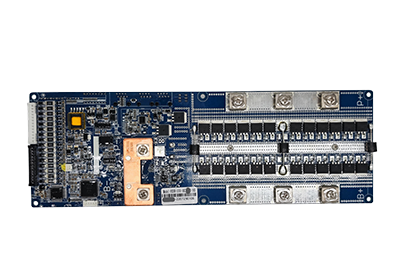
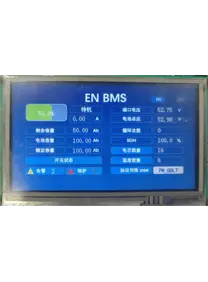
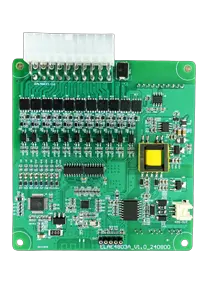
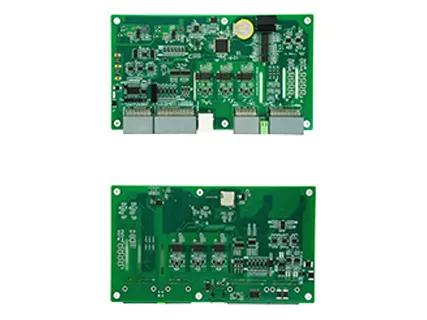
The BMS for electric vehicles comprises both hardware and software components working in tandem to manage battery data effectively. The hardware includes sensors, controllers, and communication modules that collect and process real-time information. Core sensors monitor critical metrics like temperature, voltage, and current to ensure the battery operates within safe limits. The BMS gathers this data to assess the battery's state of health (SOH) and state of charge (SOC), which are vital for determining battery longevity and operational capacity. By regulating charge and discharge cycles, the system prevents damage from overcharging, deep discharging, or excessive heat buildup.
The operation of the high voltage battery BMS involves a seamless process to maintain battery performance and safety. It begins with continuous data collection, where the system monitors battery parameters in real time. Using this data, the BMS calculates the state of charge (SOC) and state of health (SOH) to evaluate the battery's condition and capacity. Based on these estimates, the system adjusts charging and discharging rates to optimize performance and prevent damage. Additionally, the BMS employs advanced cooling techniques to maintain ideal battery temperatures, ensuring efficient operation. Robust safety mechanisms are also in place to protect against risks like overcharging, overdischarging, and overcurrent, enhancing the overall reliability of the system.
The BMS for EV batteries plays a pivotal role across various applications, with its primary use in electric vehicles. Advanced BMS systems are integral to vehicles like the Tesla Model S and BYD Han, where they enhance battery life and extend driving range. Beyond EVs, these systems are increasingly utilized in drones and stationary energy storage solutions, showcasing their versatility. For instance, Tesla's sophisticated BMS demonstrates how effective battery management can significantly improve vehicle range and battery durability. Similarly, innovative systems like ayaa's Smart BMS leverage predictive algorithms to balance energy flow, optimizing both battery health and power demands.
The BMS for EV batteries is distinguished by several critical features that ensure optimal performance. It employs high-precision sensors to monitor the battery's condition in real time, providing accurate data for decision-making. Sophisticated AI algorithms enable intelligent management by predicting SOC and SOH, thereby enhancing battery efficiency and usage. Built-in safety mechanisms protect against issues such as overcharging, deep discharging, and short circuits, ensuring reliable operation. Additionally, the BMS wholesale incorporates thermal management through liquid or air cooling systems to maintain optimal battery temperatures, further supporting performance and longevity.
To deliver exceptional performance, the BMS for EV batteries must adhere to stringent quality standards. High-precision sensors, redundant design, and exceptional reliability are critical to ensuring the system's effectiveness. Users should prioritize systems with accurate sensors and robust safety features to guarantee consistent performance. For maintenance, avoiding exposure to extreme temperatures and regularly calibrating sensors are essential practices to extend the BMS's lifespan and maintain its accuracy.
Routine maintenance is crucial for ensuring the longevity and efficiency of the BMS. Regular inspections of hardware, wiring, and sensors help identify signs of wear and tear before they impact performance. Keeping the system clean is equally important, as dust and debris can compromise the functionality of sensors and other components. Regular software updates are necessary to optimize energy flow regulation and enhance battery health management, ensuring the BMS operates at peak performance.
The Battery Management System is a cornerstone technology for the safe, efficient, and long-term operation of electric vehicle batteries. Through meticulous data monitoring and effective thermal management, the BMS ensures optimal battery performance, enhancing both safety and longevity. With proper maintenance and a high-quality system, users can maximize their electric vehicle's battery life, safety, and overall performance, making the BMS an indispensable component in the future of sustainable transportation.