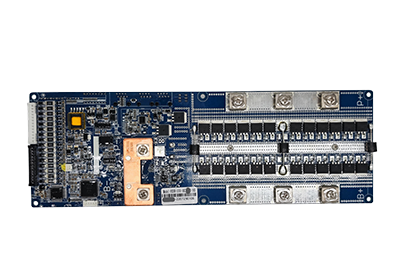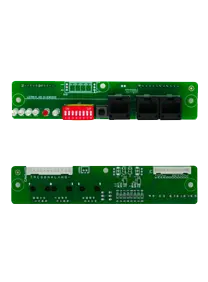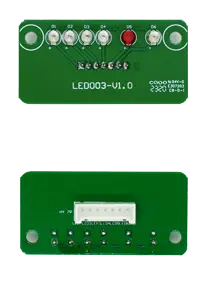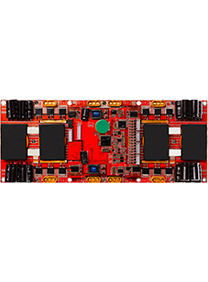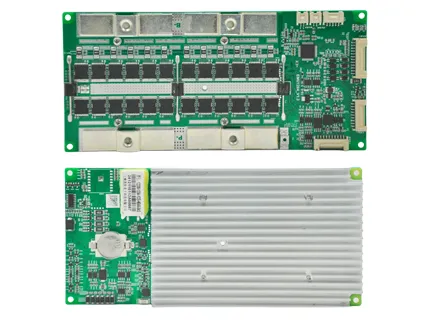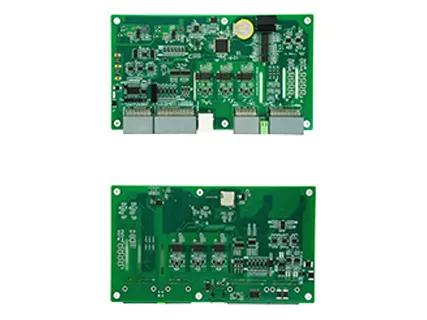
Batteries are essential for powering a wide range of devices, from household appliances to electric vehicles, in today's energy-driven world. Understanding key battery specifications, such as voltage, ampere-hour (Ah), and the role of a 12v battery bms or 48v battery management system, is critical for choosing the right battery for specific applications. This article explores the differences between 12v 100ah battery lithium bms and 48v lithium battery bms systems.
Voltage represents the electrical potential difference between a battery's positive and negative terminals, determining its ability to drive current through a circuit. Higher voltage, such as in a 48v bms system, enables more efficient power transmission over long distances, reducing energy losses due to resistance. Different voltage levels, like 12v bms or 48v bms lifepo4, suit various applications, influencing the design and scalability of energy systems to meet specific power demands effectively.
Ampere-hour (Ah) measures a battery's capacity, indicating the amount of electric charge it can store. A battery rated at 100Ah, such as a bms lithium 12v or bms 48v, can deliver 100 amperes of current for one hour or 10 amperes for 10 hours. This specification is crucial for calculating how long a device can operate before the battery requires recharging, making it a key factor in assessing battery performance for different use cases.
Voltage and capacity are critical indicators of a battery's suitability for specific applications. Voltage determines the power output, enabling the battery to meet the energy demands of devices or systems, while capacity dictates how long the battery can sustain operation. Higher voltage systems, like those with a smart bms 48v, are ideal for high-power industrial applications, whereas higher-capacity batteries, such as a 12v lithium battery bms, ensure prolonged performance in portable electronics, electric vehicles, and backup power systems, balancing power and endurance based on application needs.
12v 100ah battery lithium bms systems are widely used across various applications due to their versatility and accessibility. They power conventional vehicle electrical systems in automotive settings, provide energy for appliances and lighting in recreational vehicles (RVs), store energy from solar panels in residential solar installations, and serve as reliable backup power sources during outages in homes and small businesses. The inclusion of a 12v bms lifepo4 enhances their safety and efficiency. Their widespread availability and standardized form factor make them highly compatible with a vast array of devices and systems, enhancing their appeal. Additionally, these batteries generally have a lower upfront cost compared to higher-voltage alternatives, making them an economical choice for many users. However, they have lower energy density compared to specialized high-voltage battery bms, which can limit their efficiency in certain scenarios. To achieve higher voltages, multiple 12v lithium ion bms batteries must be connected in series, which can complicate system design and installation.
48v lithium bms batteries are increasingly utilized in high-power applications, such as electric bicycles and small electric vehicles, large-scale solar power installations for commercial use, and energy storage systems for businesses managing peak loads or storing excess energy. These batteries, often equipped with a smart bms 48v, offer higher energy efficiency, transmitting power with reduced losses, which makes them ideal for demanding applications. They also perform better in scenarios requiring substantial power output and require less heavy wiring due to their higher voltage, simplifying installation and reducing associated costs. However, their higher initial 48v bms price can impact setup budgets, and they often require sophisticated bms for 48v battery to maintain battery health and ensure safety, adding to their operational complexity.
The 12v lithium ion battery bms stores 1200 watt-hours of energy, while the 48v battery bms stores 4800 watt-hours, reflecting the significant difference in energy capacity due to voltage. The 48v li ion bms offers higher efficiency and reduced energy losses, particularly in systems with long wiring, making it suitable for high-demand applications. In contrast, the 12 volt bms is less efficient but more cost-effective, with lower initial and maintenance costs. The bms 12v lifepo4 is best suited for lower-power, cost-sensitive applications, such as small solar setups or automotive systems, while the lifepo4 bms 48v excels in high-power scenarios like electric vehicles or large-scale energy storage, where efficiency and scalability are priorities.
Handling and installing 12v li ion bms batteries is generally simpler due to their lower voltage, which poses fewer electrical hazards. In contrast, bms 48 volt batteries require careful handling to prevent electrical risks, necessitating secure connections and robust safety measures. Both battery types, whether using a 12v lithium bms or 48v lithium ion battery bms, have a lifespan of approximately 5 to 7 years, depending on usage and maintenance practices, with proper care extending their durability. Recycling and responsible disposal are essential for both to minimize environmental impact, as they contain materials that can harm the environment if not handled properly, and many regions have specific regulations for battery disposal.
Advancements in battery chemistry and design, such as solid-state batteries and lifepo4 bms 12v or 48v bms lifepo4, are paving the way for higher capacities and improved safety profiles. These emerging technologies promise to enhance the efficiency and viability of renewable energy systems and electric transportation, offering more sustainable and durable alternatives to traditional battery systems. As these innovations develop, they could reshape the landscape of energy storage, providing more efficient and environmentally friendly solutions for both bms 12 volt and bms module 48v systems.
The bms for 12v battery is ideal for smaller, cost-sensitive setups, offering compatibility and affordability, while the 48v lithium bms suits high-power, efficiency-driven applications, despite its higher cost and complexity. By understanding their unique advantages and limitations, users can make informed decisions to meet their energy needs effectively.