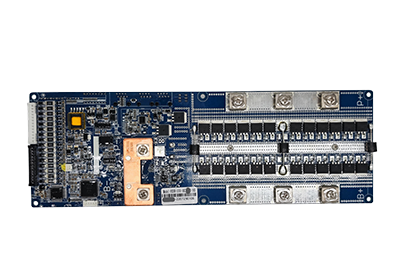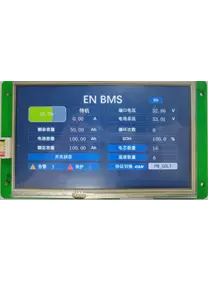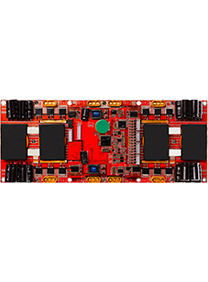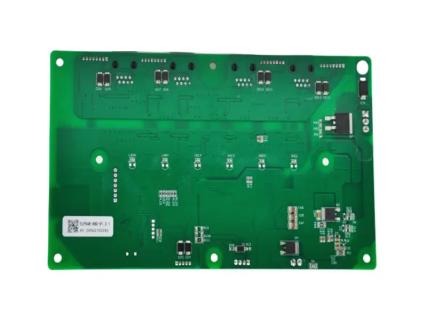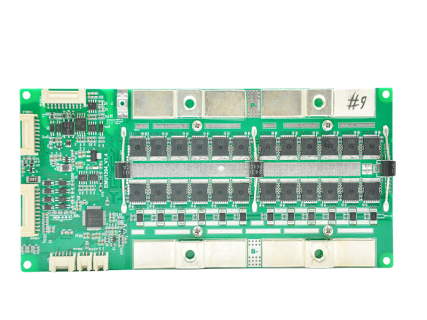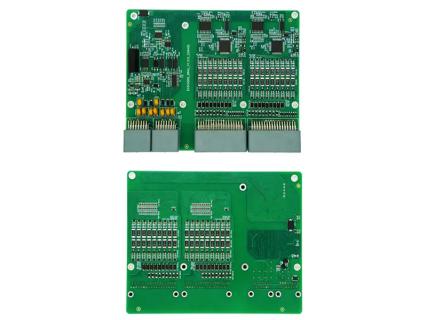
A scalable 48V home energy storage system requires a reliable low voltage BMS that can manage battery safety, communication, expansion, and long-term performance. The right low voltage battery management system should support multiple battery modules, accurate monitoring, inverter communication, and flexible system expansion.
For residential energy storage, a 48V architecture remains one of the most widely adopted solutions because it offers a balance between safety, efficiency, installation convenience, and cost. A properly designed 48V battery management system ensures that individual battery modules operate safely while allowing homeowners and system integrators to expand storage capacity as energy requirements grow.
A low voltage BMS is the control system responsible for monitoring and protecting low-voltage lithium battery packs used in residential and commercial energy storage applications.
Unlike simple battery protection boards, a modern low voltage battery management system provides intelligent control functions, including:
Cell voltage monitoring
Battery current measurement
Temperature monitoring
SOC (State of Charge) calculation
Cell balancing
Overcharge and over-discharge protection
Communication with inverters and energy management systems
In a home low voltage energy storage system, the BMS acts as the connection between the battery pack and the entire power management system.
A 48V battery architecture is widely used in residential ESS applications because it provides several advantages:
Compared with high-voltage battery systems, low-voltage 48V solutions have simpler installation requirements and lower electrical safety risks.
A modular 48V system allows homeowners to increase storage capacity by adding additional battery modules.
For example:
Initial installation: 5 kWh battery capacity
Future expansion: Add additional 5 kWh modules
Increased capacity without replacing the complete system
Many residential inverters, solar systems, and backup power solutions support 48V battery systems, making integration easier.
A low voltage battery management system continuously monitors battery conditions and controls charging and discharging operations.
The main operating process includes:
The BMS measures individual cell voltage to identify:
Overvoltage conditions
Undervoltage conditions
Cell imbalance
The system monitors:
Charging current
Discharge current
Short-circuit conditions
This protects the battery from excessive electrical stress.
Temperature sensors help prevent:
Overheating during charging
Excessive heat during high-power operation
Low-temperature charging damage
Battery cells naturally develop differences during operation. The BMS balances cells to maintain consistent performance and maximize usable capacity.
Building a scalable 48V system requires proper planning of battery modules, BMS communication, and system architecture.
A scalable system should use modular battery packs with:
Standardized electrical connections
Consistent battery specifications
Compatible communication interfaces
Modular design allows additional batteries to be added without redesigning the entire system.
The 48V battery management system should support:
Required battery capacity
Maximum charge and discharge current
Number of parallel battery modules
Communication protocols
Inverter compatibility
For residential ESS applications, common communication options include:
CAN
RS485
Modbus
These allow the battery system to communicate with solar inverters and energy management platforms.
A scalable ESS design should consider future capacity growth.
Important factors include:
Parallel connection capability
Battery address management
Current sharing control
Communication synchronization
A professional low voltage BMS should prevent problems caused by uneven charging and discharging between multiple battery modules.
A high-quality low voltage battery management system should include the following functions:
Accurate SOC calculation helps users understand:
Remaining battery energy
Charging requirements
Backup power availability
The BMS should provide protection against:
Cell overvoltage
Cell undervoltage
Overcurrent
Short circuit
High temperature
Low temperature
For expandable home storage systems, the BMS should support:
Multiple battery packs
Module communication
Current balancing
System-level protection
Compatibility with mainstream inverters improves system reliability and user experience.
The main difference is system voltage range and application design.
| Feature | Low Voltage BMS | High Voltage BMS |
|---|---|---|
| Typical Voltage | Around 48V | Higher voltage battery systems |
| Application | Residential ESS, backup power | Large commercial ESS, EV systems |
| Installation | Simpler | Requires stricter safety management |
| Expansion | Modular battery units | High-energy battery clusters |
| Cost | Generally lower | Higher system complexity |
For many home energy storage applications, a 48V low-voltage solution provides an effective combination of safety, flexibility, and cost efficiency.
The number of battery modules depends on:
BMS design
Inverter limitations
Battery capacity
Maximum system current
Communication architecture
A properly designed low voltage energy storage system can support multiple battery modules working together.
However, adding batteries requires careful management of:
Battery consistency
Charging parameters
Communication settings
Protection coordination
Simply connecting more batteries without proper BMS management can reduce system reliability.
Modern residential ESS systems are becoming more intelligent. Communication between the BMS, inverter, and monitoring platform enables:
Real-time battery information
Optimized charging strategies
Fault diagnosis
Remote maintenance
A communication-capable 48V battery management system allows the battery to work more efficiently with solar generation and household energy management systems.
A reliable low voltage BMS improves system performance through:
The BMS identifies abnormal conditions before they become serious problems.
Balanced cells allow more usable energy from the battery pack.
Proper charging and discharging control reduces battery stress.
Communication functions simplify troubleshooting and system monitoring.
For battery manufacturers and ESS integrators, supplier capability is an important factor.
Key evaluation points include:
Experience with residential ESS applications
Custom firmware capability
Communication protocol support
Hardware reliability testing
Production capacity
Technical support
A professional BMS supplier should be able to support the complete development process, from battery pack design to mass production.
A scalable 48V home energy storage system depends on a reliable low voltage BMS that can provide safety protection, intelligent monitoring, and flexible expansion capability.
The right low voltage battery management system enables battery modules to work efficiently together while supporting future capacity upgrades. With strong communication functions, accurate monitoring, and reliable protection, a 48V battery management system becomes the foundation of a safe and efficient residential low voltage energy storage system.
For homeowners, OEM manufacturers, and ESS developers, choosing the right BMS architecture at the beginning of the project is essential for achieving long-term system reliability and cost efficiency.
A low voltage BMS manages and protects lithium battery packs used in systems such as 48V home energy storage.
48V systems offer good safety, efficiency, inverter compatibility, and easy expansion.
It monitors battery conditions, protects cells, balances voltage, and manages charging and discharging.
Yes. Many low voltage BMS solutions support modular battery expansion with proper communication management.
Yes. Low voltage BMS solutions are widely used in residential solar ESS applications.
Select based on battery capacity, current requirements, inverter compatibility, communication needs, and expansion plans.
This is the first one.