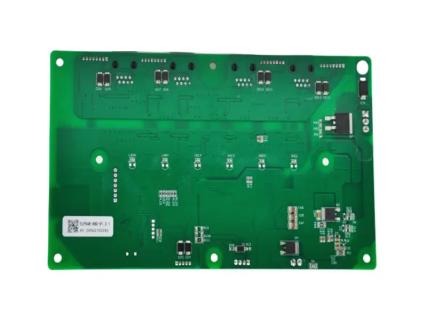
To maximize the performance and lifespan of lithium batteries, effective battery balancing is essential. Passive balancing ensures uniform voltage across a battery pack by dissipating excess energy from overcharged cells as heat. In contrast, active balancing enhances efficiency by redistributing surplus energy from overcharged cells to those with lower charge levels. Both approaches reduce variations in the state of charge, minimizing battery degradation, especially in larger systems. Active balancing stands out for its energy efficiency and ability to extend battery life, making it ideal for high-capacity applications like electric vehicles. Meanwhile, passive balancing, though less efficient due to energy loss as heat, offers a cost-effective solution for low-power systems such as consumer electronics. Understanding these methods allows for informed decisions when choosing the best balancing technique for specific lithium battery applications, whether for industrial or consumer purposes.
Active balancing improves efficiency and extends battery life by transferring energy between cells, making it well-suited for large, high-capacity batteries used in demanding applications. Conversely, passive balancing is simpler and more cost-effective, dissipating excess energy as heat, which is appropriate for smaller systems with lower power needs. The choice between these methods depends on factors such as cost, efficiency, and the specific requirements of the application, ensuring optimal performance tailored to the intended use case.
Passive balancing is a straightforward technique used in lithium battery packs to maintain consistent voltage across all cells. It operates by dissipating excess energy from overcharged cells as heat through resistors, preventing issues like overcharging or undercharging. This process ensures that all cells in the pack maintain uniform voltage levels, promoting stable performance and enhancing safety throughout the battery’s operation.
The simplicity of passive balancing makes it an appealing option for cost-sensitive applications. Its design relies on minimal components, such as resistors and switches, which reduces costs and simplifies implementation. This affordability is particularly beneficial for small-scale lithium battery systems, like those found in consumer electronics and basic industrial tools. Furthermore, the use of fewer components enhances system reliability, minimizing the risk of failures and ensuring consistent performance over time.
Despite its benefits, passive balancing has limitations that affect its suitability for certain applications. By converting excess energy into heat, it reduces energy efficiency, leading to energy waste during the balancing process. The heat generated can also create thermal management challenges, particularly in high-capacity lithium-ion battery packs, placing additional strain on the battery management system. Additionally, passive balancing is slower than active methods, as it relies on gradual energy discharge through resistors. These drawbacks make it less ideal for applications requiring high efficiency or rapid balancing, such as electric vehicles or large-scale energy storage systems. However, for applications where cost is prioritized over efficiency, passive balancing remains a practical and effective choice.
Active balancing offers a more efficient approach to maintaining uniform voltage in lithium battery packs by redistributing energy between cells. Unlike passive methods, it transfers surplus energy from overcharged cells to undercharged ones using advanced circuitry, such as capacitors, inductors, or DC-DC converters. Research indicates that advanced active balancing circuits can achieve rapid and precise results, demonstrating high efficiency in both simulated and real-world conditions. This efficiency and speed make active balancing a preferred choice for modern lithium battery configurations requiring optimal performance.
Active balancing provides significant operational advantages that enhance lithium battery performance. By transferring energy rather than dissipating it as heat, it maximizes energy utilization, resulting in high efficiency. The use of advanced circuitry enables faster energy redistribution, improving responsiveness and reducing balancing times. This method also minimizes variations in the state of charge, extending the overall lifespan of the battery pack. These benefits make active balancing particularly suitable for high-capacity applications, such as electric vehicles and energy storage systems, where efficiency and performance are paramount. For systems equipped with accessories like an active equalizer, the benefits of active balancing, including improved energy utilization, are especially pronounced.
Despite its advantages, active balancing comes with challenges that must be considered. The complexity of its circuitry, which includes components like DC-DC converters and inductors, increases the difficulty of integration into a battery management system compared to passive methods. These advanced components also raise costs, making active balancing a more expensive option. Additionally, while energy transfer is highly efficient, minor losses may occur during redistribution across multiple cells. For applications where high energy efficiency and long-term performance are critical, the investment in active balancing is often justified despite these challenges.
Efficiency plays a pivotal role in selecting a battery balancing method for lithium-ion battery packs. Passive balancing dissipates excess energy as heat, leading to permanent energy losses that reduce overall efficiency. In contrast, active balancing redistributes energy between cells, minimizing waste and ensuring high energy utilization. This makes active balancing particularly effective for energy storage applications, where efficiency directly impacts battery lifespan, such as in home energy storage systems or electric vehicles. Passive balancing, while simpler and more affordable, is better suited for low-power applications where energy optimization is less critical.
The decision between passive and active balancing often comes down to cost and complexity. Passive balancing relies on simple components like resistors, making it cost-effective and easy to implement, especially for low-cost applications like consumer electronics. In contrast, active balancing requires advanced components, such as flyback transformers, switched capacitors, and DC-DC converters, which increase both cost and system complexity. Active balancing also demands sophisticated control algorithms, adding to integration challenges. However, its superior performance justifies the investment for high-performance applications, such as industrial energy storage systems. When evaluating these balancing strategies, consulting expert BMS suppliers can help align design choices with performance and cost objectives.
The suitability of passive versus active balancing depends on the specific demands of the application. Passive balancing is ideal for small-scale systems with minimal cell voltage imbalances, such as consumer electronics and basic industrial tools, due to its simplicity and affordability. Active balancing, with its high efficiency and rapid balancing speed, is better suited for high-capacity lithium-ion battery packs used in applications like energy storage, robotics, and medical devices. For systems requiring precision and reliability, active balancing delivers optimal results, ensuring maximum energy utilization and extended battery lifespan.
Maintenance and long-term performance are critical factors in lithium-ion battery balancing. Passive balancing generates heat during operation, which can stress the battery management system and shorten the battery pack’s lifespan. Active balancing, by redistributing energy efficiently, minimizes thermal stress and reduces variations in the state of charge, preventing issues like overcharging and undercharging. This enhances the durability of lithium-ion battery packs, particularly in demanding applications like infrastructure and security systems. Investing in active balancing can result in lower maintenance costs and improved long-term performance, especially for high-value applications.
Selecting the appropriate battery balancing method requires careful consideration of factors such as cost, efficiency, application suitability, and long-term performance. Passive balancing is well-suited for cost-sensitive, low-power systems where simplicity and affordability are priorities. Active balancing, with its faster equalization rate and higher energy utilization, is ideal for high-capacity systems requiring optimal performance and extended battery life. While passive balancing offers straightforward circuit designs, active balancing requires more sophisticated systems, increasing initial costs but delivering superior results. For tailored solutions that align with specific needs, consulting custom battery solutions from Enjie can provide valuable guidance. Ultimately, the choice between passive and active balancing hinges on balancing cost, efficiency, and performance requirements for the intended application.